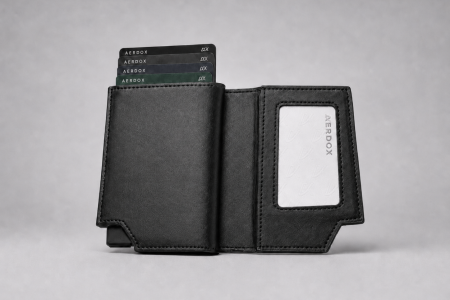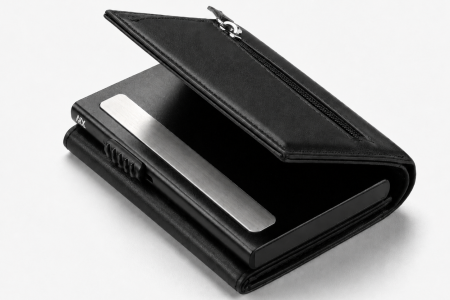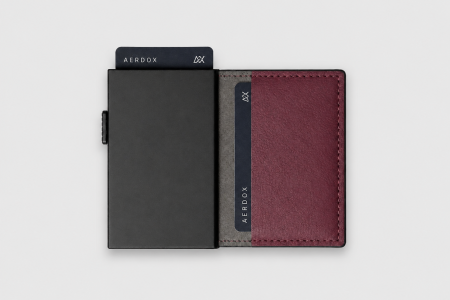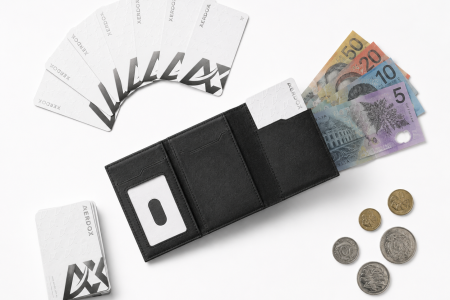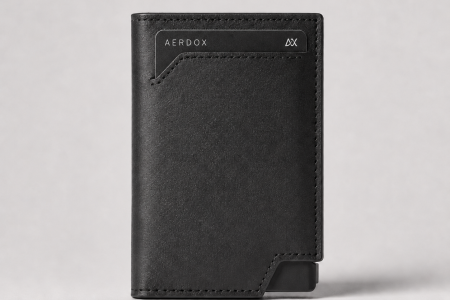
Replace a wallet when it stops holding cards securely, a mechanism or closure is unreliable, seams are opening, sharp edges appear, or the format no longer supports your daily needs. Cosmetic patina or minor surface marks alone may not affect function, provided the wallet remains secure and the material is behaving as intended.
Functional wear versus cosmetic wear
| Observation | Likely type | Action |
|---|---|---|
| Minor surface marks with secure cards | Cosmetic | Clean according to care guidance and monitor |
| Loose slot that no longer retains a card | Functional | Stop relying on the slot and seek support |
| Open seam or exposed sharp edge | Functional | Unload and repair or replace |
| Trigger sticks at a correct load | Functional | Remove grit, follow instructions and contact seller |
| Wallet is bulky only because of receipts | Usage issue | Declutter before replacing |
Cards should remain secure
Turn the closed wallet gently over a soft surface. Cards should remain retained according to the design. If a sleeve has stretched so a card slides out during normal handling, do not keep using that position for an important card. Do not compensate by stuffing extra cards into the sleeve; that hides the issue and can create more strain.
Rigid chambers should hold supported cards and present them smoothly at the intended load. If the Aerdox Glide, Astra or another ejector product behaves differently, remove foreign objects and check the product guidance. Do not dismantle or lubricate the mechanism unless instructed.
Inspect stitching, edges and folds
Look for gaps between panels, broken stitches, spreading holes and edges that have become sharp. A small loose thread may be repairable; pulling it can open the seam. At folding points, distinguish normal flex from cracking that compromises the structure.
Transparent ID windows should remain clear enough for their purpose and free of splits that catch the card. Carabiner gates should spring closed. Any component that no longer performs its intended action is a functional concern.
Check whether your routine changed
A wallet can remain physically sound but become the wrong tool. A new job may require a visible ID and access pass. Moving toward cashless routines may make a large billfold unnecessary. Travel may require a separate organised setup. Choose a new format because the everyday load changed, not because a trend says everyone needs the same wallet.
- For essential cards, consider the compact Glide Cardholder.
- For a folded cardholder and RFID-blocking core, consider Astra.
- For work ID and a bi-fold format, consider the Vector Bi-fold.
- For fuller three-panel organisation, consider the Voyager Tri-fold.
- For a few cards beside a compatible phone, consider AeroSnap.
Declutter before diagnosing size
Many wallets feel “worn out” because they are overfilled. Empty receipts, expired cards, duplicate loyalty cards and loose change. Reload only the seven-day essentials and one sensible backup. If the wallet closes and operates correctly again, the problem was the load rather than the product.
Use our card organisation guide or seven-day declutter process before buying a replacement.
When to stop using the wallet immediately
- Cards fall out during normal handling.
- A sharp broken component can cut skin or damage belongings.
- A closure or carabiner gate no longer secures.
- The mechanism crushes, bends or traps supported cards.
- Contamination or moisture has made operation unpredictable.
Unload important items and contact the seller. If a payment card is physically damaged, follow the issuer’s replacement process rather than continuing to use it.
Repair, warranty or replacement?
Photograph the issue without exposing card details, locate proof of purchase and review the current warranty or returns terms. Ask whether the component is repairable. Do not make a modification that could void support or weaken the product before contacting the seller.
If replacement is necessary, dispose of the old wallet responsibly according to its materials and local services. Remove every card, note, receipt and personal identifier first.
A three-month inspection
- Empty and count the contents.
- Inspect slots, seams, folds and hardware under good light.
- Clean with the approved method.
- Reload the intended card set.
- Test normal access and closure over a soft surface.
- Review whether the format still suits work, travel and payment habits.
Consistent inspection can extend useful life and reveal a small repair before it becomes a lost-card incident. See the Aerdox wallet care guide for routine maintenance.
Choose the replacement by the failed function
If card retention failed, prioritise a clearly specified chamber or sleeve. If the wallet became bulky, choose a format after completing a seven-day audit. If work ID was constantly removed, consider a transparent window. If the phone-first setup concentrated too much risk, move to a separate cardholder. A replacement is most successful when it addresses the exact reason the previous wallet stopped working.
Move contents safely
Transfer cards at home on a private surface. Confirm every essential card appears in the new wallet, then check every pocket of the old one twice. Test the new product at its intended load over a soft surface before taking it outside. Keep order records according to current returns and warranty terms.
Editorial note: Product specifications, availability and compatibility can change. Confirm the current details on the linked Aerdox product page before purchase.
Frequently asked questions
How many years should a wallet last?
There is no reliable universal number. Materials, construction, load, environment and care all affect useful life. Judge condition and function.
Should I replace a wallet when it is scratched?
Not necessarily. Cosmetic marks may be acceptable if cards remain secure and the construction is intact.
Can a stretched card slot be fixed?
Possibly, depending on the material and construction. Stop relying on it and ask the seller or a qualified repairer.
Why is my card ejector sticking?
Overfilling, unsupported card types or grit may be involved. Unload it, follow the maker’s cleaning guidance and contact support if the issue continues.
What should I do with an old wallet?
Remove all personal items, then use an appropriate repair, reuse or local disposal option for its materials.
 by
by