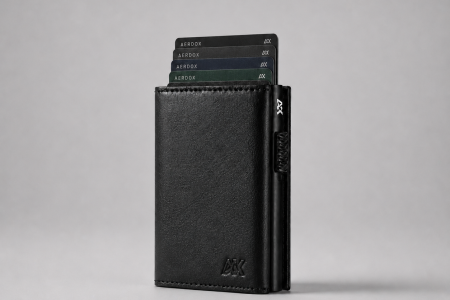
Quick answer The best travel wallet setup separates fast-access items from backup items. Keep passport-style documents and boarding papers in a travel pouch, keep daily payment and ID in a compact wallet, and carry backup cards or cash separately so one lost item does not stop the trip.
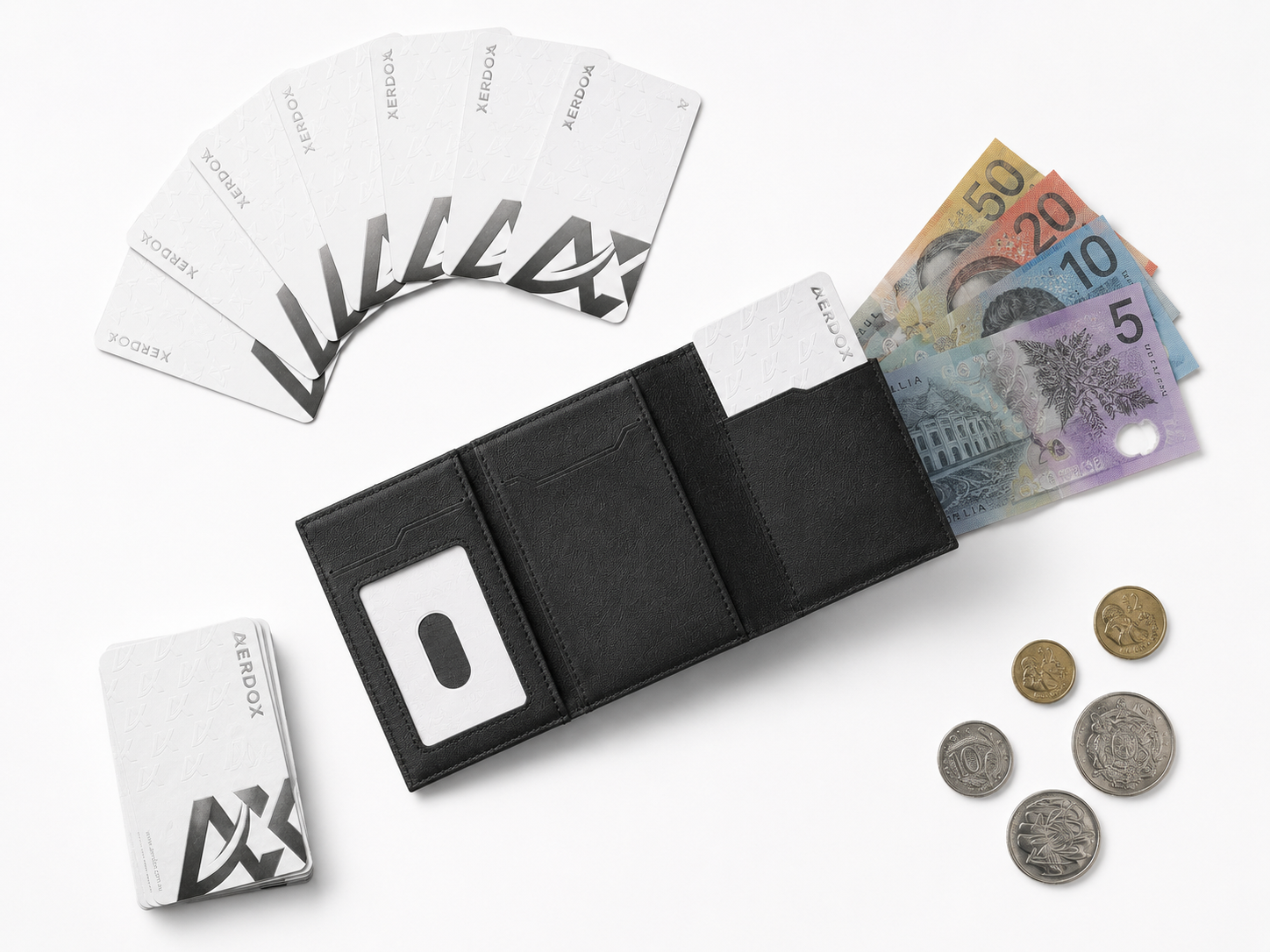
Travel from Melbourne creates a different wallet problem. At home, speed matters. At the airport, separation matters. You need fast access at check-in, security, cafes and transport, but you also need backup cards and cash protected if something is lost.
This guide covers a practical Aerdox travel wallet setup for Australians leaving Melbourne, whether you are flying interstate, heading overseas or building a cleaner carry for frequent trips.
Split travel items by use
Do not put every travel item in one overloaded wallet. Keep the items you need often in the most accessible place: payment card, ID and perhaps a small amount of local cash. Keep passport-style documents, printed confirmations and backup items in a separate pouch or bag pocket.
This split reduces pressure at airport counters and reduces risk. If your everyday wallet is misplaced, backup cards are not in the same place. If your travel pouch is buried in a bag, your cafe payment card is still easy to reach.
What belongs in the wallet
A travel wallet should carry primary payment, backup payment, ID, emergency cash and any card you need immediately on arrival. It should not carry every loyalty card from home. Travel rewards focus on reliability and fast access, not maximum storage.
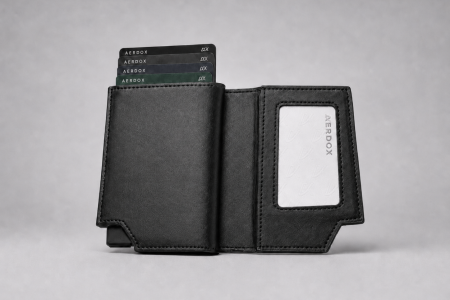
For many Australians, a compact bi-fold is the strongest travel wallet format because it gives cards and cash structure without becoming a document folder. Use a separate organiser for larger papers.
Cash and coins
Even card-first travellers should carry some cash. Markets, taxis, tips, luggage carts, small vendors and backup situations can still require notes or coins. The key is not carrying too much in the same place.
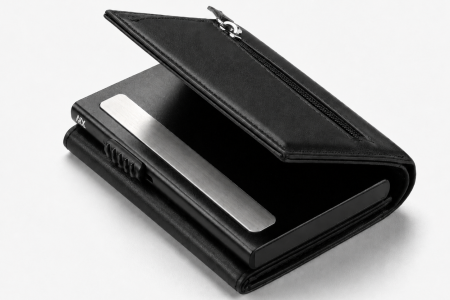
An Aerdox wallet with separated cash or zip storage can help keep notes and coins from damaging cards. Clear it after the trip so travel clutter does not become permanent wallet clutter.
RFID and crowded travel settings
Airports, stations and tourist areas are crowded, which is why many shoppers search RFID wallet Australia before travelling. RFID protection can be a useful layer for contactless cards, but it should not be the only security habit you rely on.
Use bank alerts, lock spare cards when possible, keep backups separate and carry only what you need. RFID protection is helpful when combined with a clean layout and sensible travel routines.
A Melbourne departure checklist
Before leaving home, remove local-only cards, photograph important receipts, check that backup payment works, and confirm that your wallet is not carrying expired cards. Put daily cards in the same order you use at home so airport stress does not change your routine.
At the airport, keep the wallet in one consistent location. After each transaction, put it back immediately. Most lost-wallet stories come from broken routines, not from the wallet itself.
Aerdox travel pairings
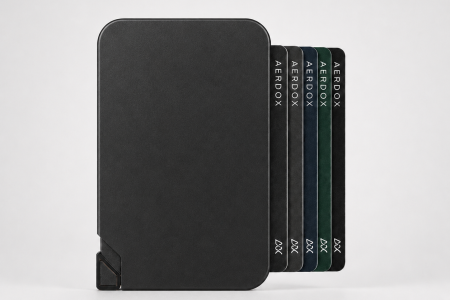
For short interstate trips, a compact Aerdox bi-fold can handle cards, ID and folded cash. For light weekend flights, a MagSafe-style wallet may be enough if you keep backup cards elsewhere. For overseas trips, pair a wallet with a separate document organiser.
The aim is to build a travel carry that is easy to check: phone, wallet, keys, documents. If each item has a job, you spend less time searching and more time moving.
How this fits a real Melbourne day
Think about leaving Melbourne with airport check-in, transport, coffee, accommodation and arrival payments all happening in one day. That is where a wallet proves whether it is useful. A product can photograph well and still fail if it is hard to open, too thick when loaded or too awkward to return to the same pocket every time.
For a Melbourne-based business like Aerdox, the useful benchmark is local routine: tap-and-go payments, busy public transport, compact bags, office clothing, weekend cafes and the occasional travel day. A good travel wallet Australia should support that routine without asking you to change everything about how you already move.
Common mistake to avoid
The common mistake is putting every card, document and backup item in the same wallet because it feels convenient at home. Wallet buying often starts with a search term such as travel wallet Australia or RFID wallet Australia, but the better starting point is your actual carry on a normal Tuesday.
Put every card, note, coin and receipt you currently carry on a table. Remove anything expired, duplicated or rarely used. The remaining stack tells you the real wallet size you need. This simple check prevents most bad purchases because it turns a style decision into a practical fit decision.
What to check on an Aerdox product page
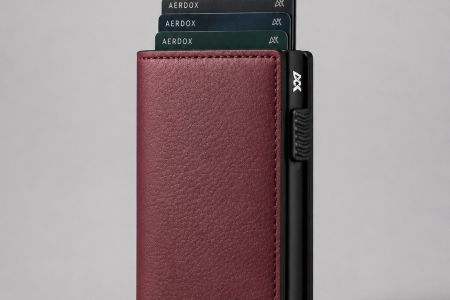
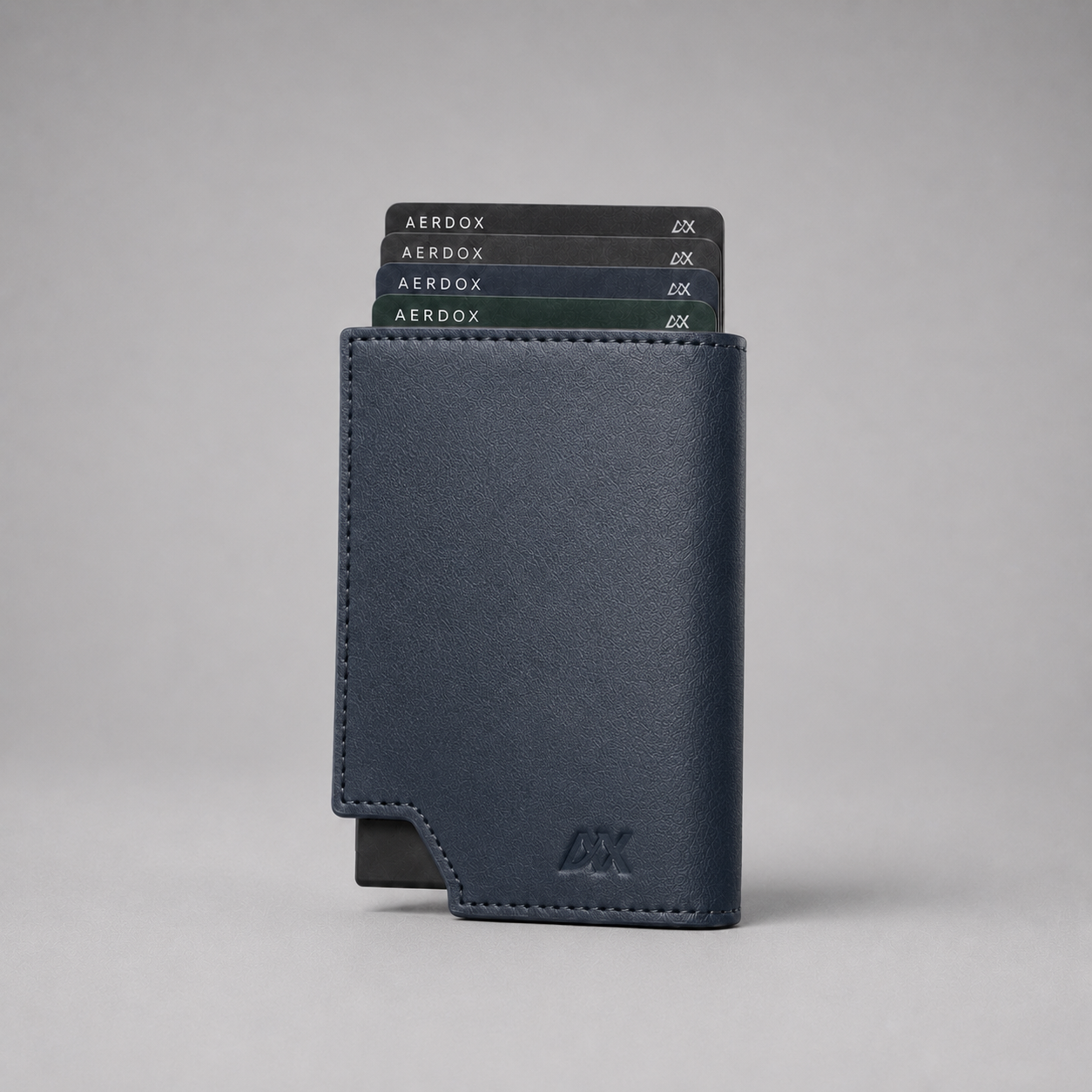
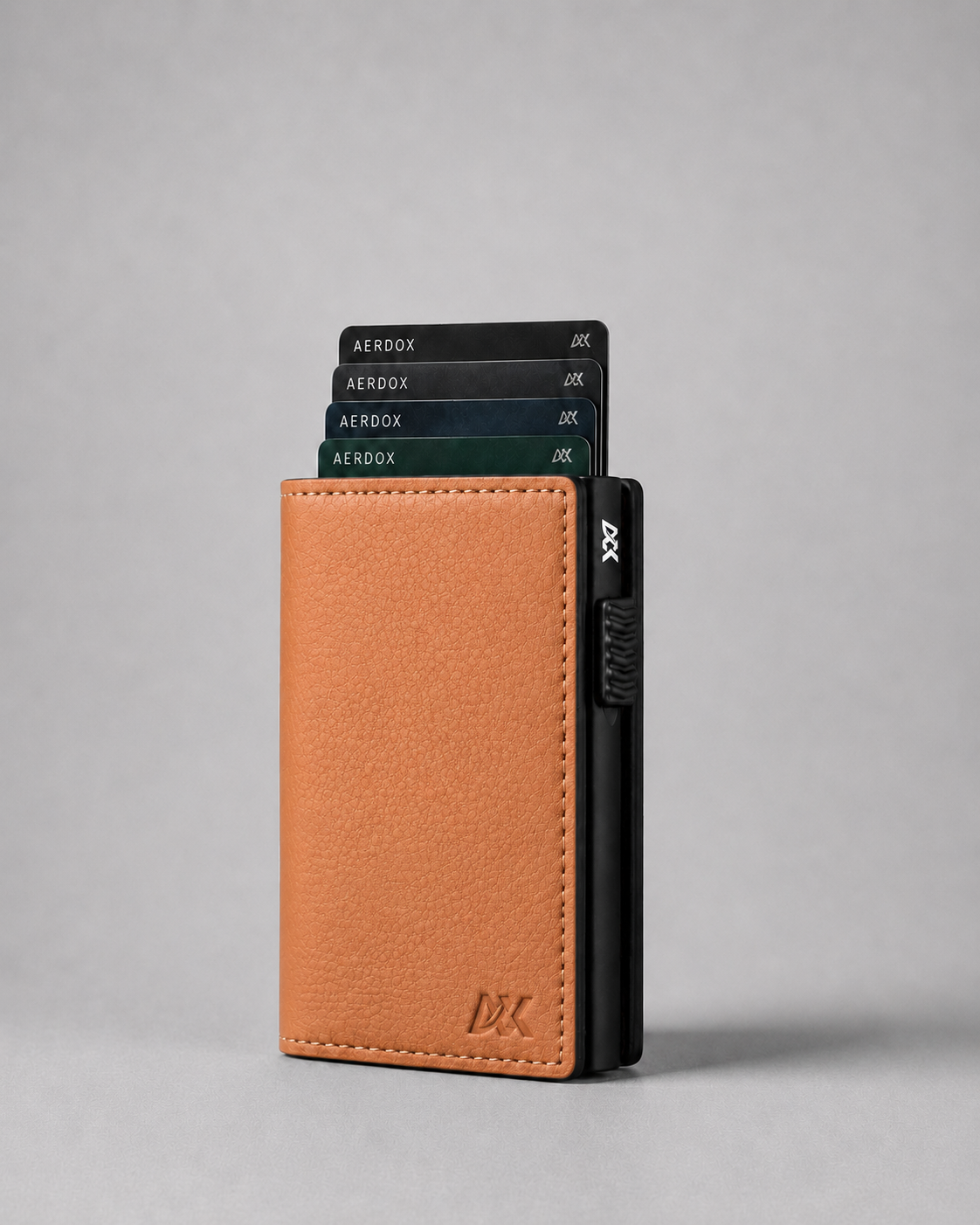
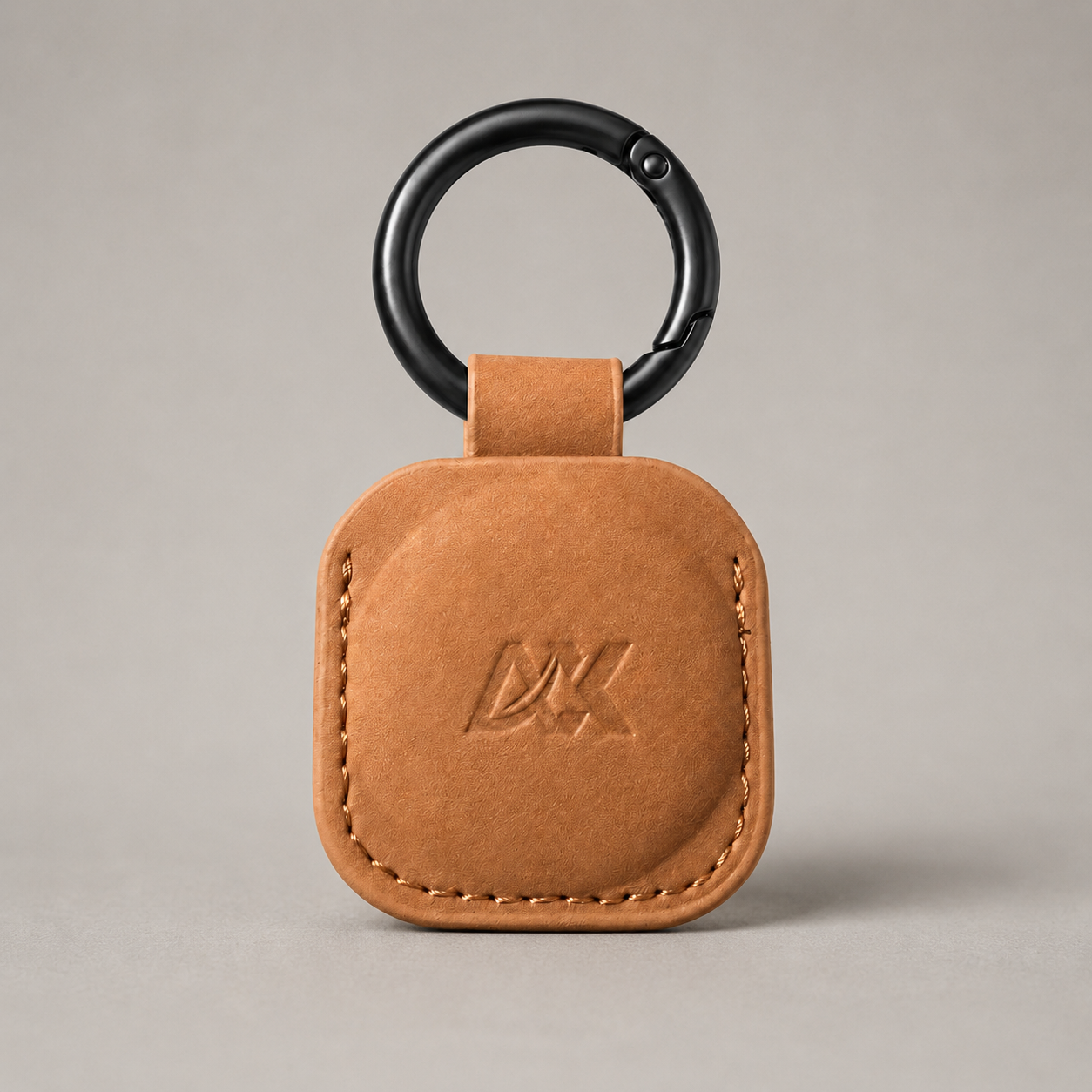
Once you know the format, compare current Aerdox product details such as capacity, material, colour, dimensions, card access and any listed protection features. Relevant options for this topic include Aerdox Vector Bi-Fold Wallet, Aerdox Astra Bi-Fold Cardholder, Aerdox AirTag, depending on whether you want minimum size, more organisation or a phone-first setup.
Product pages can change as colours, stock and specifications change, so check the live details before buying. The article should help you narrow the category, but the final decision should come from the current product information and the carry you know you will maintain.
A simple setup to try this week
Try this setup for seven days: daily wallet for payment and ID, separate document pouch, backup card stored away from the main wallet. Do not add extra cards unless you genuinely need them during the week. At the end of the trial, notice what you reached for often, what stayed untouched and what made the wallet feel slower.
That trial is useful because it separates imagined needs from real needs. If you never reached for a card, it does not need a prime wallet slot. If you kept missing cash or an ID window, choose a wallet with more structure. A better wallet decision usually comes from observing your own habits.
How to judge the wallet after one week
After a week, judge the wallet by friction rather than appearance alone. Did it fit the pocket or bag you used most? Could you reach the right card without looking for too long? Did it stay comfortable when sitting, driving or walking between stops?
Also check what the wallet encouraged you to do. A strong everyday wallet makes good habits easier: fewer receipts, fewer dead cards, cleaner access and a consistent home for essentials. If the wallet forced workarounds from day one, the format is probably wrong.
Why Aerdox is a natural link in the buying journey
Aerdox does not need to be forced into the topic because these are the exact problems a wallet range should solve: card access, pocket comfort, travel storage, protection, gifting, tracking and durability. The useful link is from the problem to the matching product type.
That is also why broad wallet education can still connect clearly to Aerdox. A general guide helps a shopper understand the decision; the product links then give them a next step when they are ready to compare real options from a Melbourne-based Australian business.
If you are choosing today, keep the process simple: identify the problem, pick the wallet format, compare the current Aerdox product details, then remove anything from your carry that does not support the decision. A cleaner wallet setup usually comes from one good choice and one good habit.
Where to go next
A clear wallet system makes comparison easier because one wallet question usually leads to another. Someone choosing a slim wallet may also need to understand RFID protection, card organisation, travel carry or how to care for the wallet after buying.
That is why each Aerdox guide links to related articles and product pages instead of treating one post as the whole answer. Wallet choice crosses several questions: size, RFID protection, card access, travel, care, gifting and tracking. Internal links help shoppers move through those questions in a logical order.
Aerdox products to compare
Use the article above to decide the format first, then compare the current product details, capacity and colour options on Aerdox before choosing.
Australian travel guidance
Smartraveller recommends arranging more than one way to access money overseas, checking whether your cards will work and researching local cash needs. Use this article as an organisation guide and check official destination advice before departure. Read Smartraveller’s travel-smart advice.
Frequently asked questions
Should I carry one wallet or two when travelling?
Use one daily wallet plus a separate backup location for spare cards or cash. Avoid putting every important item in one place.
Is RFID protection useful for travel?
It can be useful in crowded settings, but it should be combined with bank alerts, separated backups and careful card management.
What cards should I remove before travelling?
Remove local-only loyalty cards, expired cards and anything you will not use during the trip.
Is a large wallet better for travel?
Not always. A large wallet can become cluttered. A compact wallet plus a separate document organiser is often cleaner.
How do I avoid losing my wallet at the airport?
Keep it in one consistent pocket or bag section and return it there immediately after every use.
 by
by