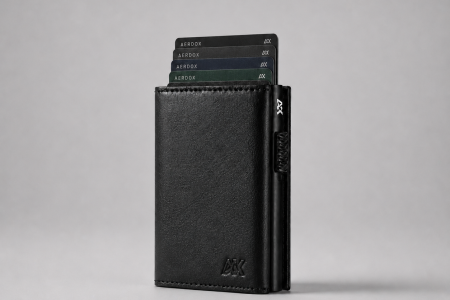
Quick answer An RFID wallet is designed to reduce unwanted scanning of contactless cards while they sit inside the wallet. It is not a replacement for normal banking security, but it can add a useful layer of everyday protection for people who carry multiple tap-and-go cards in busy Australian settings.
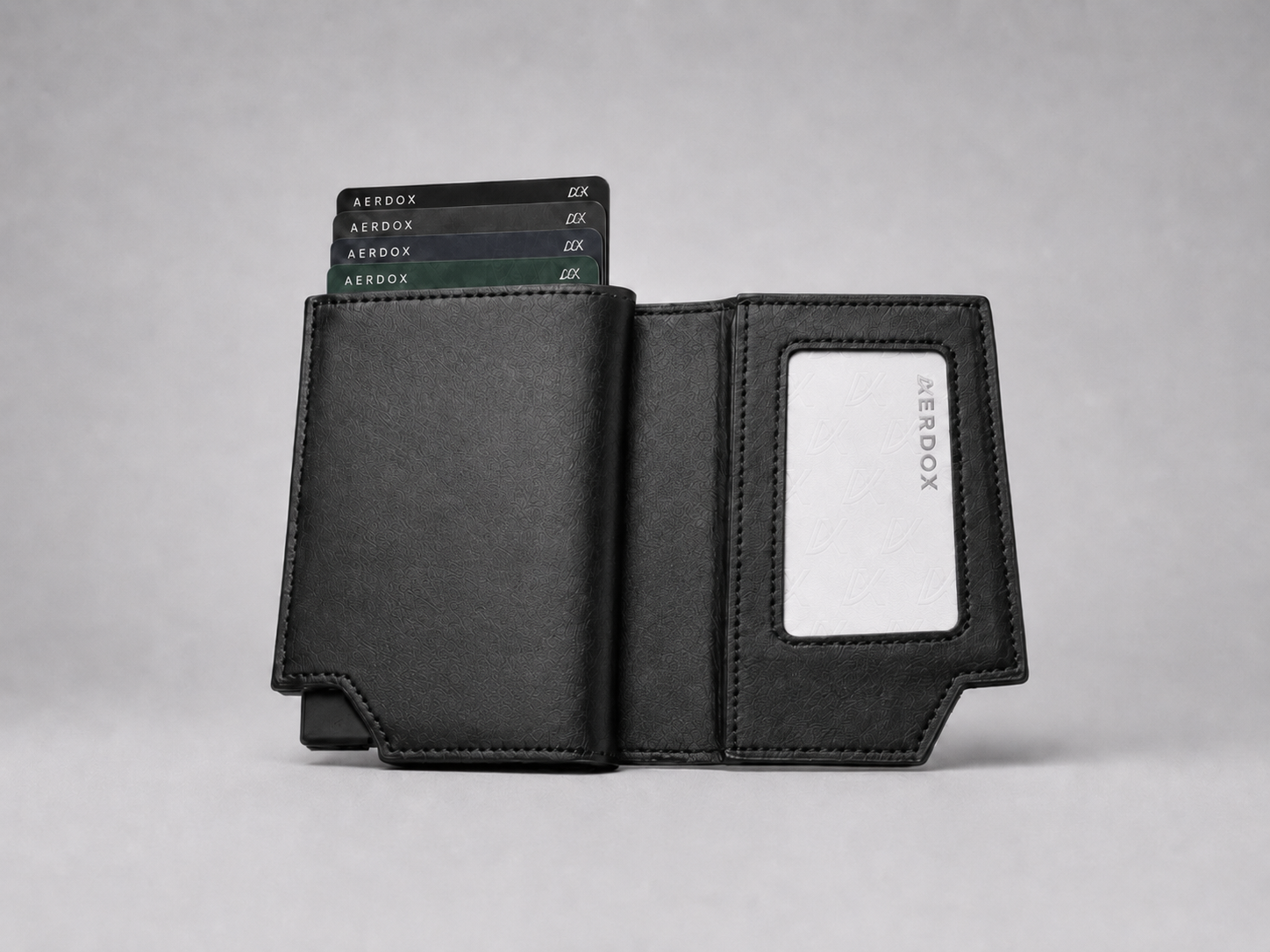
RFID-blocking wallets have become a common search in Australia because contactless cards are part of everyday life. Melbourne shoppers tap for coffee, train travel, groceries, parking and lunch without thinking much about the card technology behind the transaction.
The question is not whether every person needs an anti RFID wallet. The better question is whether a structured wallet with RFID protection, practical card access and a slim carry makes sense for how you move around the city.
What RFID means in a wallet
RFID stands for radio frequency identification. In wallet shopping, it usually refers to the contactless communication used by payment cards, access cards and some ID cards. An RFID card wallet uses shielding material or construction to reduce unwanted reads while cards are inside the wallet.
That does not mean a thief can easily empty a bank account by walking past you. Banks use transaction limits, encryption and fraud monitoring. Still, many shoppers prefer RFID protection because it is a low-effort layer that sits quietly inside the item they already carry.
When RFID protection is most useful
RFID protection makes the most sense when you carry several contactless cards in the same place. It can help avoid accidental reads, reduce friction when cards sit close together, and give peace of mind in crowded environments such as shopping centres, train stations, events and airport queues.
It is also useful for people who keep a wallet in a backpack, tote or jacket pocket. If the wallet is not always in your hand or front pocket, a shielded card section can be a sensible part of a broader everyday carry setup.
What RFID-blocking does not do
RFID-blocking is not magic. It will not stop online fraud, lost-card misuse, phishing, weak passwords or compromised merchant systems. It should be treated as one layer, alongside card lock features, strong bank app alerts and keeping only the cards you actually need.
This distinction matters because shoppers often see dramatic claims on wallet pages. A responsible RFID wallet Australia guide should be clear: RFID protection can be useful, but it works best as part of a practical carry system rather than as a fear-based purchase.
How to choose an RFID wallet
Start with layout. The wallet still needs to work as a wallet. If cards are hard to access, if the wallet becomes too thick when loaded, or if the shape is uncomfortable, the RFID feature will not make the product better in daily use.
Then check the product page for current features. Look for references to RFID protection, card capacity, materials and how the wallet opens. A good RFID card wallet should keep the cards you use most often easy to reach while storing backup cards securely.
Melbourne use cases
In Melbourne, RFID protection is most relevant in busy public settings: Southern Cross, Flinders Street, shopping strips, stadium events, markets, airports and crowded cafes. Even if the actual risk is low, the wallet should help cards stay organised and protected while you move through those places.
If you are reducing pocket bulk at the same time, combine RFID protection with a slim format. A wallet that is both protective and easy to carry will get used properly; a bulky wallet with good marketing often ends up left in a bag or drawer.
Aerdox options to compare
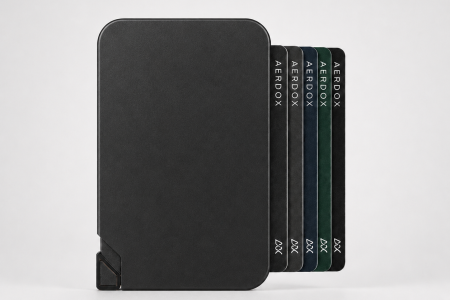
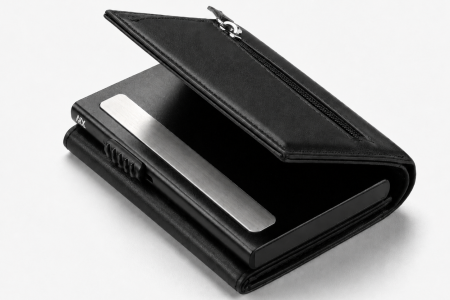
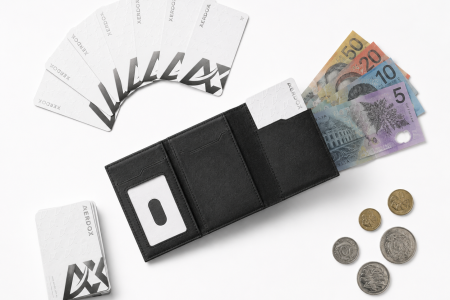
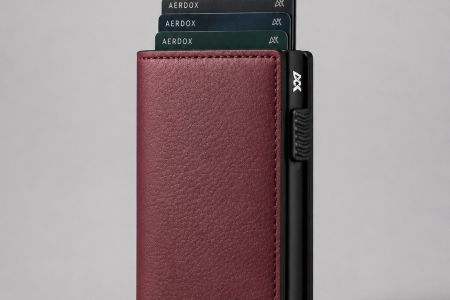
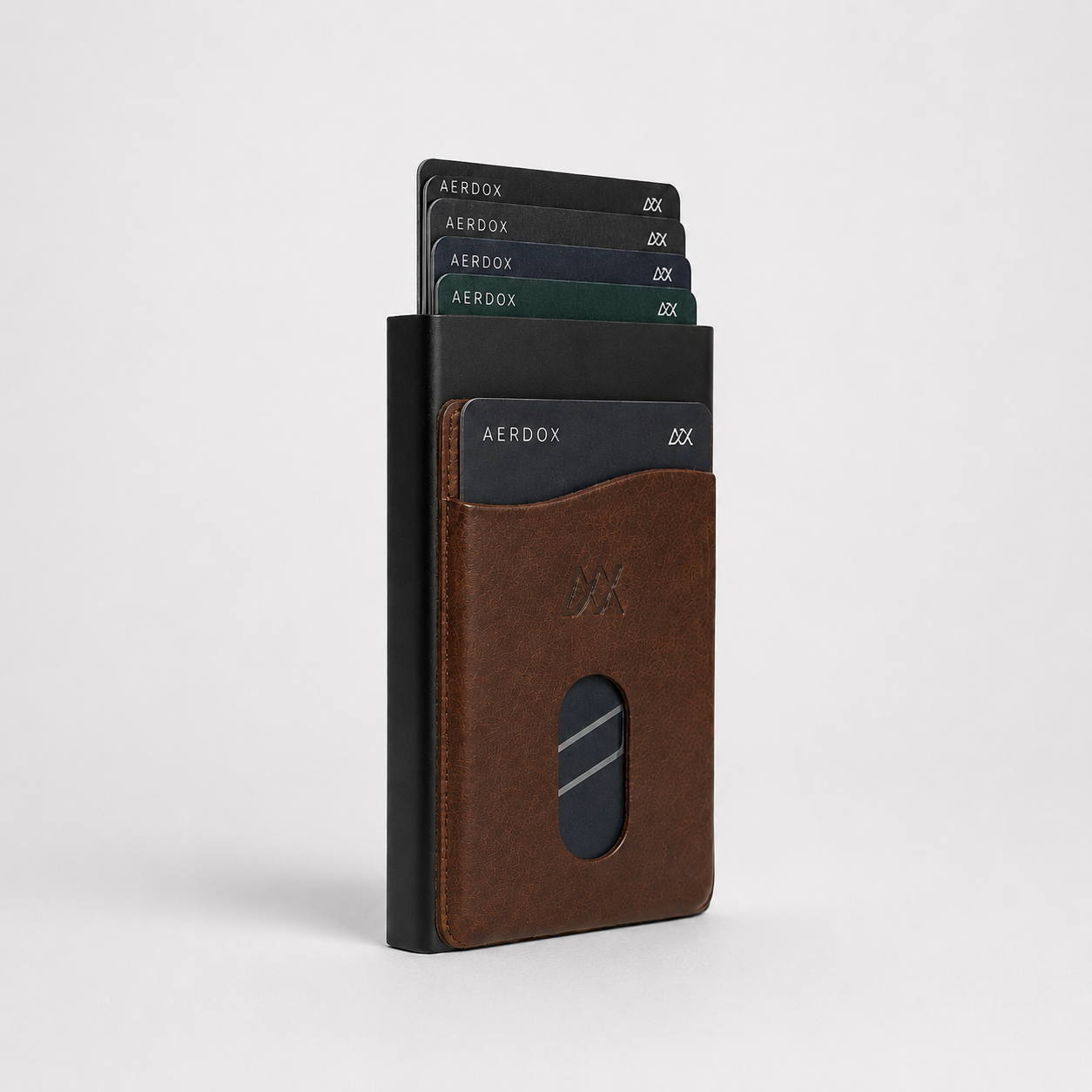
Aerdox shoppers can compare compact card holders, bi-fold styles and MagSafe-style minimal carry depending on how many cards they use. The best choice is not always the smallest. It is the one that keeps payment, ID and access cards in a clear order.
If RFID protection is a priority, check the relevant product page for the latest specification before buying. Then choose based on capacity, access and form factor so the wallet is useful after the first week.
How this fits a real Melbourne day
Think about a crowded station, shopping centre or airport queue where several contactless cards sit close together. That is where a wallet proves whether it is useful. A product can photograph well and still fail if it is hard to open, too thick when loaded or too awkward to return to the same pocket every time.
For a Melbourne-based business like Aerdox, the useful benchmark is local routine: tap-and-go payments, busy public transport, compact bags, office clothing, weekend cafes and the occasional travel day. A good RFID wallet Australia should support that routine without asking you to change everything about how you already move.
Common mistake to avoid
The common mistake is treating RFID protection as the whole security strategy instead of one quiet layer inside a better wallet routine. Wallet buying often starts with a search term such as RFID wallet Australia or RFID card wallet, but the better starting point is your actual carry on a normal Tuesday.
Put every card, note, coin and receipt you currently carry on a table. Remove anything expired, duplicated or rarely used. The remaining stack tells you the real wallet size you need. This simple check prevents most bad purchases because it turns a style decision into a practical fit decision.
What to check on an Aerdox product page
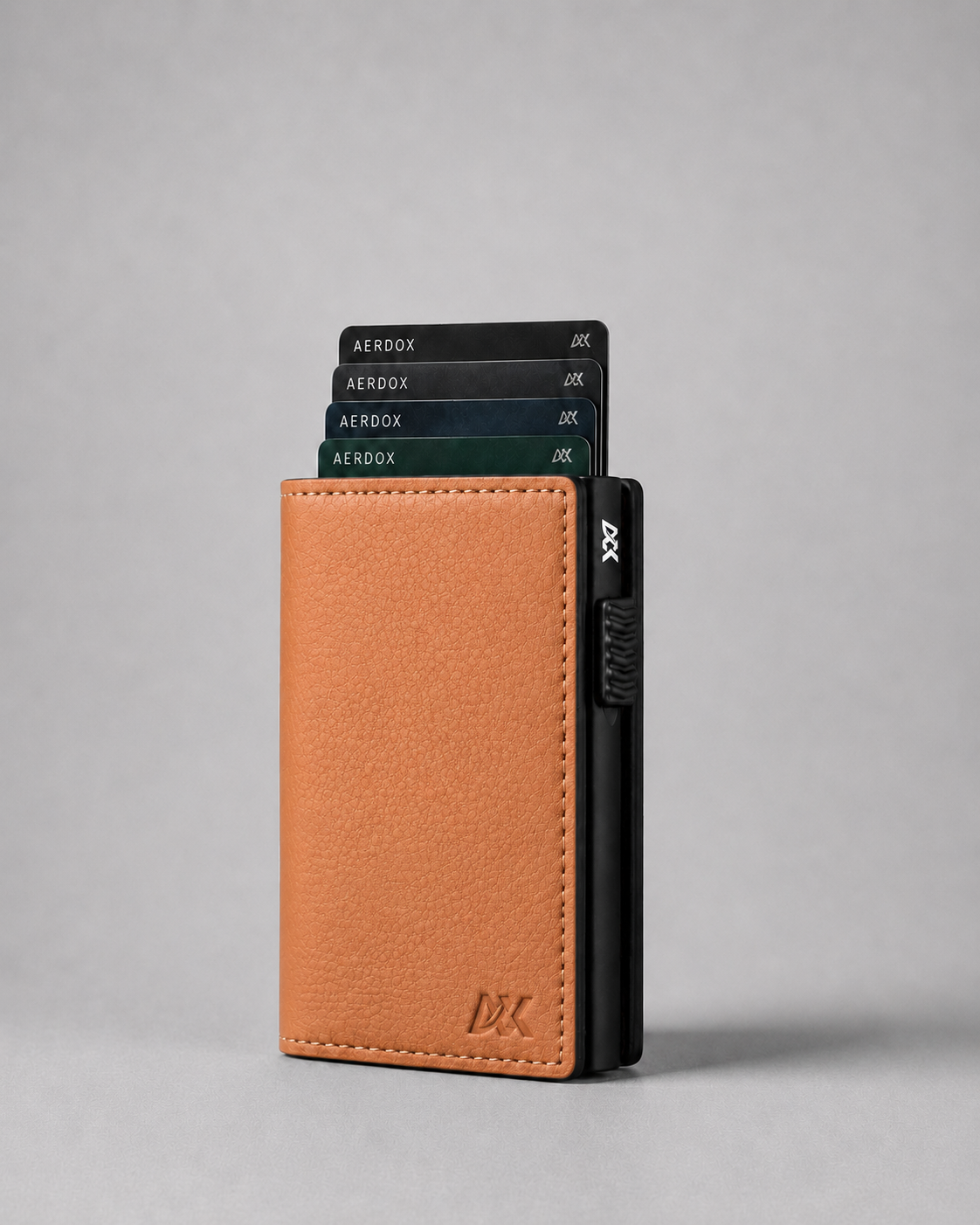
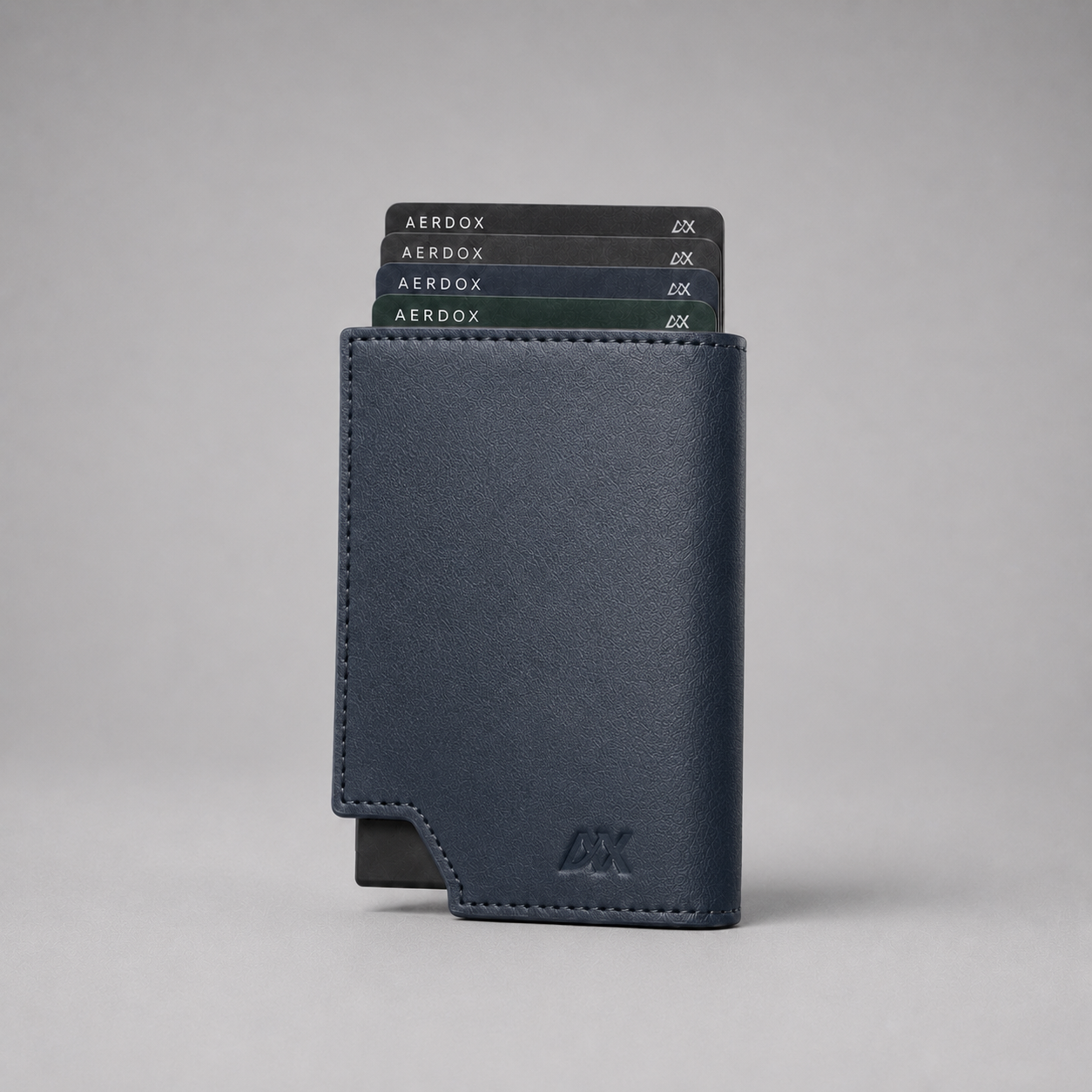
Once you know the format, compare current Aerdox product details such as capacity, material, colour, dimensions, card access and any listed protection features. Relevant options for this topic include Aerdox Astra Bi-Fold Cardholder, Aerdox Vector Bi-Fold Wallet, Aerdox Glide Cardholder, depending on whether you want minimum size, more organisation or a phone-first setup.
Product pages can change as colours, stock and specifications change, so check the live details before buying. The article should help you narrow the category, but the final decision should come from the current product information and the carry you know you will maintain.
A simple setup to try this week
Try this setup for seven days: primary payment card, backup card, ID and only the access cards that need to be carried physically. Do not add extra cards unless you genuinely need them during the week. At the end of the trial, notice what you reached for often, what stayed untouched and what made the wallet feel slower.
That trial is useful because it separates imagined needs from real needs. If you never reached for a card, it does not need a prime wallet slot. If you kept missing cash or an ID window, choose a wallet with more structure. A better wallet decision usually comes from observing your own habits.
How to judge the wallet after one week
After a week, judge the wallet by friction rather than appearance alone. Did it fit the pocket or bag you used most? Could you reach the right card without looking for too long? Did it stay comfortable when sitting, driving or walking between stops?
Also check what the wallet encouraged you to do. A strong everyday wallet makes good habits easier: fewer receipts, fewer dead cards, cleaner access and a consistent home for essentials. If the wallet forced workarounds from day one, the format is probably wrong.
Why Aerdox is a natural link in the buying journey
Aerdox does not need to be forced into the topic because these are the exact problems a wallet range should solve: card access, pocket comfort, travel storage, protection, gifting, tracking and durability. The useful link is from the problem to the matching product type.
That is also why broad wallet education can still connect clearly to Aerdox. A general guide helps a shopper understand the decision; the product links then give them a next step when they are ready to compare real options from a Melbourne-based Australian business.
If you are choosing today, keep the process simple: identify the problem, pick the wallet format, compare the current Aerdox product details, then remove anything from your carry that does not support the decision. A cleaner wallet setup usually comes from one good choice and one good habit.
Where to go next
A clear wallet system makes comparison easier because one wallet question usually leads to another. Someone choosing a slim wallet may also need to understand RFID protection, card organisation, travel carry or how to care for the wallet after buying.
That is why each Aerdox guide links to related articles and product pages instead of treating one post as the whole answer. Wallet choice crosses several questions: size, RFID protection, card access, travel, care, gifting and tracking. Internal links help shoppers move through those questions in a logical order.
Aerdox products to compare
Use the article above to decide the format first, then compare the current product details, capacity and colour options on Aerdox before choosing.
Australian payments context
The Reserve Bank of Australia reports that cards remain Australia’s most-used consumer payment method, while its payments-system review says card-not-present fraud accounts for most fraud value. RFID-blocking material addresses only a limited physical-reading scenario; it cannot prevent online fraud, phishing or misuse of a lost card. See the RBA consumer payments research.
Frequently asked questions
What is an RFID wallet?
An RFID wallet uses shielding materials or construction to reduce unwanted contactless card reads while cards are stored inside the wallet.
Do I need an RFID-blocking wallet in Australia?
It depends on your comfort level and carry habits. It can be useful if you carry multiple contactless cards in crowded places, but it should sit alongside normal card security habits.
Does RFID-blocking stop all fraud?
No. It only addresses unwanted contactless scanning. It does not stop online scams, stolen card numbers or compromised accounts.
Can RFID protection make cards harder to use?
Cards should still work normally when removed from the wallet. The protection is intended to work while cards are stored inside.
What should I check before buying?
Check card capacity, wallet thickness, access style, RFID specification, material and whether the layout matches your daily card count.
 by
by