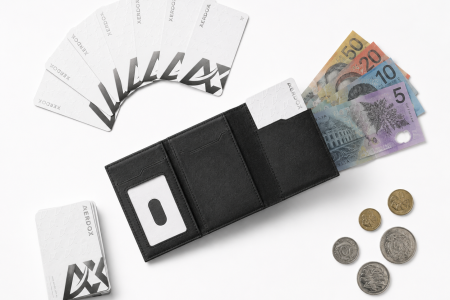
A compact bi-fold is often the best middle ground for cards, notes and ID because it separates different items without the multiple layers of a tri-fold. Coins need more care: only carry them in a wallet with a dedicated, securely closing coin area. Otherwise, use a separate coin pocket or pouch to avoid pressure, scratches and misshaping.
Why mixed carry needs structure
Cards form a flat stack, notes create folded layers and coins create isolated hard points. Combining all three in one undivided pocket produces an uneven shape and makes items harder to reach. A useful wallet gives each item type an appropriate place and makes the most frequently used item accessible without unpacking everything else.
Before choosing a format, count what you actually use. Australians who mostly tap to pay may need only a few cards and one emergency note. A market stall, cash-based workplace or overseas trip may justify more physical currency. Build the wallet around the normal situation, then use a separate travel organiser or coin pouch when an occasional situation demands it.
Compare the main formats
| Format | Works well for | Watch for |
|---|---|---|
| Cardholder | Essential cards and minimal front-pocket carry | Limited appropriate storage for notes and no loose coins |
| Compact bi-fold | Cards, notes, ID and a familiar opening action | Receipts and folded cash can quickly add thickness |
| Tri-fold | More card groups, notes and visible ID | Multiple folded panels become bulky when overfilled |
| Separate coin pouch | Regular coins without damaging a card wallet | One more object to carry and organise |
When a compact bi-fold is the better choice
A bi-fold suits people who want more than a card stack but do not need maximum organisation. It opens flat enough to see separate areas, can provide an ID window, and gives notes a more natural storage path than a tiny card sleeve. Its two-panel structure is usually simpler than a tri-fold, which can make the everyday routine quicker.
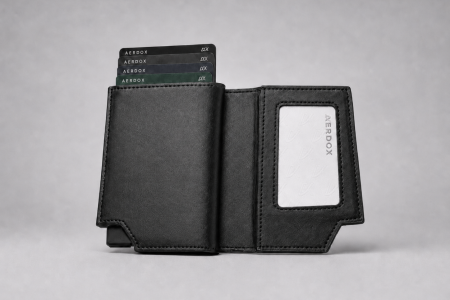
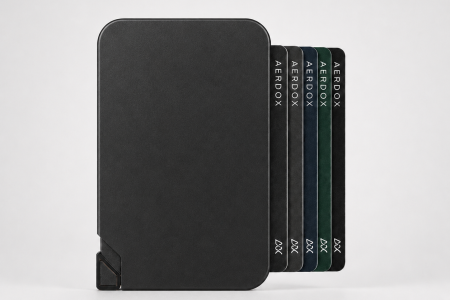
The Aerdox Vector Bi-fold Wallet uses a leather-style jacket around an aluminium quick-access card core. A transparent interior ID slot supports a licence, work badge or transit pass. It is a strong match for work and daily carry when cards and visible ID matter. Confirm the current product page for its cash-storage details and do not assume a compartment accepts coins unless that use is explicitly stated.
When a tri-fold earns the extra space
A tri-fold is useful when each panel has a job. One area can hold primary cards, another an ID and another notes or secondary items. The separation can reduce searching, particularly during travel or a full workday. The trade-off is the number of folded layers, so organisation only helps when the contents remain controlled.
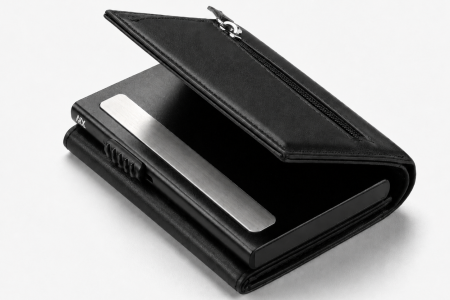
The Aerdox Voyager Tri-fold Wallet provides three-panel organisation, an integrated aluminium slide-out cardholder and a transparent ID sleeve. Aerdox describes it as the fuller-carry option for cards, notes and ID. The product description mentions a cash area; verify the live specifications and current variant before purchase.
Our bi-fold vs tri-fold comparison explores the choice in more detail.
How to carry coins without damaging your wallet
Coins are dense and abrasive. In an open wallet section they can rub against cards, press permanent circles into a soft outer layer or interfere with a card-ejector mechanism. If your wallet does not have a closed coin pocket designed by the manufacturer, keep coins elsewhere.
- Use a dedicated zipped coin pouch for cash-heavy days.
- Empty change at home instead of storing it for weeks.
- Never insert coins into an aluminium card chamber.
- Keep coins away from phone screens and other scratch-prone items.
- Check foreign coins before travel; they may differ in size and weight.
Keep notes useful, not bulky
Carry a small, intentional mix of denominations rather than a thick bundle. Smooth notes before storing them, and avoid repeatedly folding them into a compact lump. If the wallet provides a full-length note area, use it according to the product guidance. If notes must be folded, keep the fold consistent and remove damaged or unnecessary paper.
Receipts should not share the status of money. Photograph or file them promptly where appropriate, then remove them. For tax, warranty or reimbursement records, follow the relevant record-keeping requirements rather than relying on a wallet as long-term storage.
Card access still matters
A wallet for mixed carry should not bury the primary payment card. A quick-access core, thumb window or exterior sleeve can keep frequent actions efficient. Store backup cards deeper and keep ID in a window only when quick display is useful and consistent with your privacy preferences.
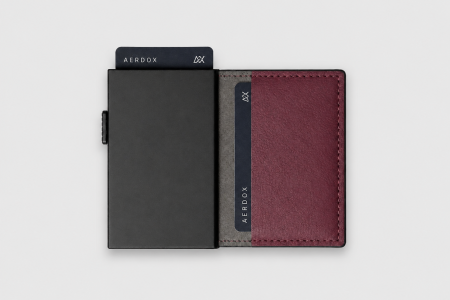
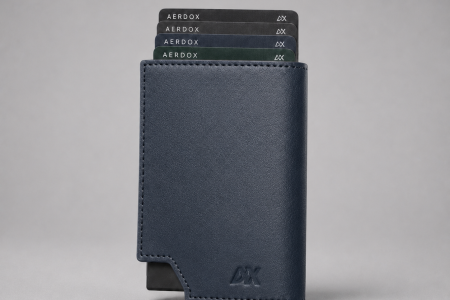
If you have reduced your routine to cards and one emergency note, a compact option such as the Aerdox Astra Bi-Fold Cardholder may be sufficient. It is card-centred rather than a full cash wallet, so check how any notes should be carried and do not overload the folding wrap.
A mixed-carry packing order
- Put primary payment cards in the intended quick-access section.
- Place the backup card separately if the wallet supports it.
- Use the ID window only for the credential you actually show.
- Store a small number of notes in the proper note area.
- Move coins to a dedicated closed area or separate pouch.
- Remove receipts at the end of the day or week.
The result should close naturally, operate smoothly and feel predictable in the pocket. If you must compress the wallet to close it, reduce the load.
Editorial note: Product specifications, availability and compatibility can change. Confirm the current details on the linked Aerdox product page before purchase.
Frequently asked questions
Can I keep coins in any bi-fold wallet?
No. Use coins only where the wallet includes a dedicated closed coin section and the manufacturer permits it. Otherwise use a separate pouch.
Is a tri-fold always bulkier than a bi-fold?
A tri-fold has more folded layers, but actual bulk depends on size and contents. Its organisation can be worthwhile when you genuinely use the extra sections.
What is the best wallet for cards and notes?
A bi-fold is a practical starting point because it can separate cards from notes. Choose a model whose specific compartments match your loadout.
How do I stop cash making my wallet bulky?
Carry a small useful mix, smooth notes before storing them and remove receipts. Avoid repeated tight folds and large coin collections.
Can coins interfere with RFID blocking?
The larger concern is physical damage and interference with the wallet’s intended mechanism. RFID performance depends on the protected compartment and product design; follow the maker’s guidance.
 by
by