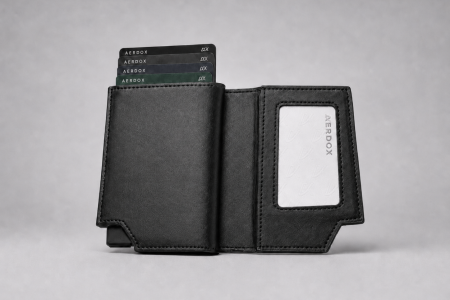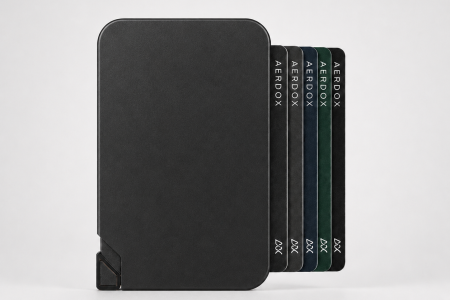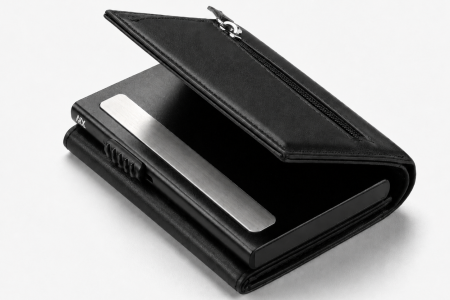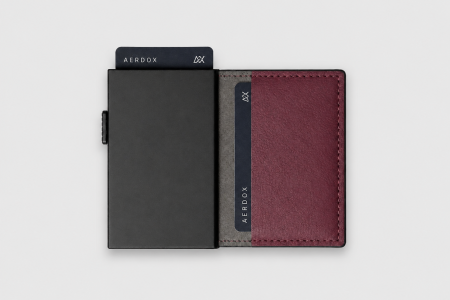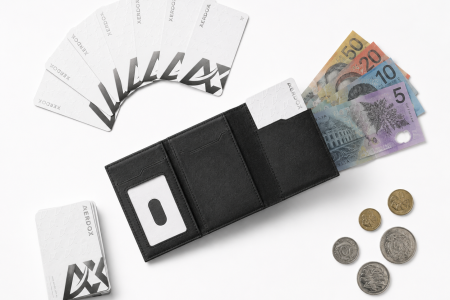
A minimalist wallet should hold the cards you use in a normal week, plus one sensible backup. For many people that means a primary payment card, backup payment card, driver licence or ID, and any essential work, health or transit card. The correct number is personal; the important rule is to stay within the wallet’s stated capacity without forcing or bending cards.
Why maximum capacity is the wrong starting point
A capacity figure describes what a product is designed to accommodate under particular conditions. It is not a target. Filling every available position can make the wallet thicker, reduce access and leave no flexibility for a temporary card. Minimalist carry works in the opposite direction: decide what earns a place, then choose a product that handles that set comfortably.
Card thickness can also vary. Embossed cards, access fobs and paper-based cards do not behave like standard flat payment cards. Never force an object into a rigid mechanism simply because the total count appears to be under a headline number. Follow the current product instructions and use the intended card type.
Use the four-category card audit
| Category | Examples | Decision question |
|---|---|---|
| Payment | Primary debit or credit card, backup payment | Did I use it this week, or is it my realistic backup? |
| Identity | Driver licence, required photo ID | Am I legally or practically required to carry it? |
| Access | Work badge, building card, transit card | Will I need it before I return home? |
| Essential services | Health or membership card needed for an appointment | Is a secure accepted digital version available? |
Everything else goes into a review pile. Loyalty cards, gift cards, receipts and occasional membership cards may still be useful, but they do not need to travel every day. Store them securely and add them only when the day’s plan requires them.
Build a seven-day baseline
Place a small note beside your current wallet or use a private checklist. For one week, record each physical card you use. At the end, add any card that was not used but serves a clear emergency or identification purpose. This is your baseline. It reflects your life rather than a generic minimalist rule.
A typical baseline may include two payment cards, one ID and one access card. Another person may need a licence, work credential, transit card, Medicare card and two payment methods. Both can be minimalist because each item has a job. Minimalism is not a competition to reach the smallest number; it is the removal of items without a current purpose.
Keep one realistic payment backup
Relying on one payment method can be inconvenient if a terminal, card or phone fails. A backup should usefully differ from the primary option rather than duplicate the same weak point. The right arrangement depends on your bank, travel plans and personal risk preferences. Keep backup credentials secure and never store PINs with cards.
If you use a phone wallet, consider whether the backup should be physically separate. Keeping phone and all payment cards together is simple, but losing the combined item can remove every option at once. For short local errands, that trade-off may be acceptable; for travel or a long workday, separation can be sensible.
Match the access pattern to the card stack
Once you know the number, decide how often each card is used. A tiered pop-up mechanism can make several cards visible at once. An exterior sleeve is useful for a transit pass or primary card. A transparent window suits an ID that must be shown. The most-used card should not be buried beneath rarely used backups.
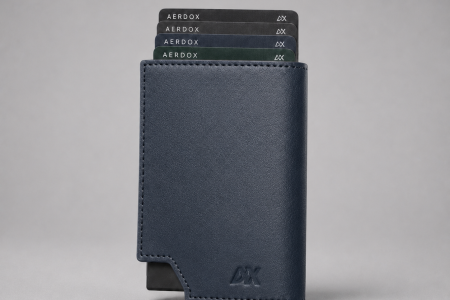
The Aerdox Glide Cardholder is designed around a focused card set, with a tiered aluminium ejector and an exterior sleeve with a thumb-slide window. The Aerdox Astra Bi-Fold Cardholder adds a folding wrap and an RFID-blocking aluminium core. Neither should be loaded by guesswork; check the live product instructions and use the mechanism only as intended.
When you need more than a minimalist cardholder
A small cardholder is not ideal for every routine. If you regularly carry physical notes, multiple access credentials or a displayed ID, a structured wallet may be more usable. The Aerdox Vector Bi-fold Wallet includes a transparent ID slot and quick-access card core. The Aerdox Voyager Tri-fold Wallet provides three-panel organisation for fuller carry.
Choosing a larger format for genuine requirements is still intentional carry. The mistake is carrying a large wallet only because it has become a storage place for forgotten items. Our clutter-free wallet guide shows how to reset those contents.
What to do with occasional cards
- Digitise where accepted: use the official provider’s app or a trusted wallet service.
- Create a home card file: store occasional cards in a secure, consistent place.
- Pack for the day: add a specific card before an appointment and return it afterwards.
- Use a travel set: change the loadout for travel rather than carrying travel cards all year.
- Review expiry dates: safely dispose of expired cards according to issuer guidance.
Signs the card stack is too large
The wallet does not close naturally, cards are difficult to select, a sleeve has stretched, the ejector does not operate smoothly, or the loaded shape creates an uncomfortable pocket bulge. These are signals to remove contents, not to apply more force. A mechanism should work consistently with supported cards and the manufacturer’s recommended load.
Also check whether paper has entered card compartments. Receipts can introduce grit and uneven thickness. Keep paper separate where the wallet provides a suitable area, or remove it as soon as it has been photographed, filed or no longer needed.
A monthly two-minute reset
- Remove every card and wipe loose dust from the wallet according to its care guidance.
- Check the expiry and condition of each card.
- Return the weekly essentials and one realistic backup.
- Store occasional cards securely elsewhere.
- Test access before leaving home.
This routine prevents capacity creep. It also gives you a chance to notice a damaged card, loose attachment or changed work requirement before it becomes a problem.
Editorial note: Product specifications, availability and compatibility can change. Confirm the current details on the linked Aerdox product page before purchase.
Frequently asked questions
Is four cards enough for a minimalist wallet?
It may be enough for someone with two payment cards, ID and one access card. Use your seven-day audit rather than copying another person’s number.
Should I carry every bank card?
Usually not. Carry the cards you use and a sensible backup. Store other cards securely and follow your bank’s security guidance.
Do digital cards count as a replacement?
Only where the digital version is accepted and appropriate. Requirements vary by card, provider and location, so verify before leaving the physical card at home.
Can too many cards damage a wallet?
Overfilling can strain sleeves, make access difficult and place cards under pressure. Stay within the current product guidance and never force the mechanism.
How often should I clean out my wallet?
A quick weekly receipt check and a full monthly card review will prevent most clutter from returning.
 by
by