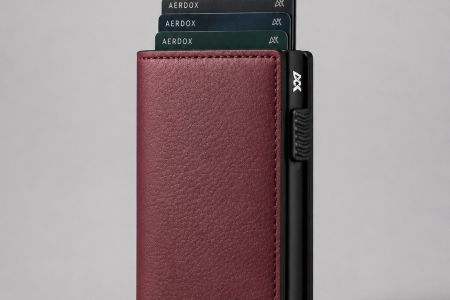
A phone wallet is better for light carry and short routines because it combines two essentials. A separate wallet is better for more cards, cash, ID organisation and keeping a payment backup away from the phone. Many people benefit from both: phone-attached carry for errands and a separate wallet for work, travel and longer days.
Side-by-side comparison
| Factor | Phone wallet | Separate wallet |
|---|---|---|
| Objects to remember | Fewer | One additional item |
| Typical capacity | A few essential cards | From minimal cards to fuller organisation |
| Cash and ID | Usually limited | More suitable options available |
| Compatibility | Depends on phone, case and attachment system | Independent of phone model |
| Loss scenario | Phone and cards may go together | Can keep payment backup separate |
| Best use | Errands, events and light weekends | Work, travel and varied daily needs |
The case for a phone wallet
Many routines already revolve around the phone: navigation, messages, tickets and digital payments. Adding a small card wallet can remove the need for a second pocket item. This is particularly useful for a coffee run, gym visit, local event or weekend walk where a driver licence and backup payment card are enough.
The Aerdox AeroSnap is positioned for phone-first minimal carry and a small number of essential cards. It should be matched with a compatible phone and case. Check the current page before purchase and test the combined attachment at home before relying on it.
The case for a separate wallet
A separate wallet gives each object one job. The phone handles communication and digital tools; the wallet carries physical payment, ID and cash. If the phone battery fails or the device is misplaced, a separate payment card may remain available. The wallet can also provide features that a phone sleeve cannot, such as a tiered card ejector, transparent ID window or note section.
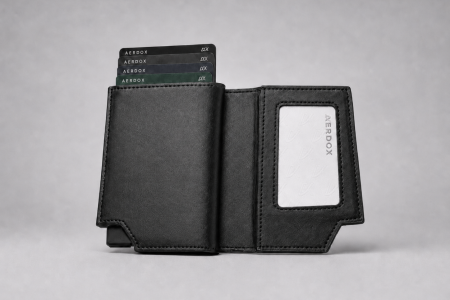
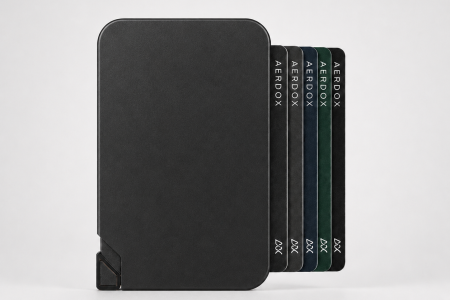
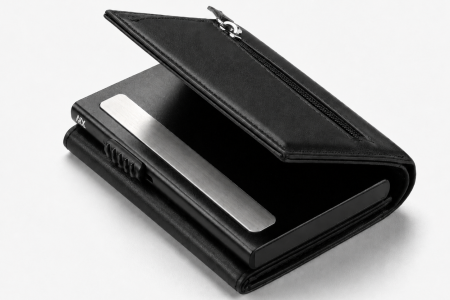
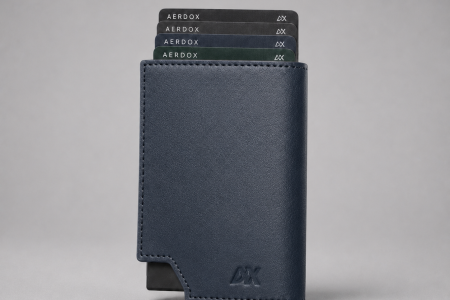
The Aerdox Glide Cardholder is a compact separate option with a tiered card chamber, exterior sleeve and thumb window. The Aerdox Vector Bi-fold Wallet suits fuller work carry with a quick-access core and transparent ID slot.
Convenience versus concentration
Combining phone and cards lowers the number of things to check before leaving: phone, keys, done. The trade-off is concentration. One lost item can remove communication, payment cards and possibly ID. A separate wallet creates more to remember but allows important resources to be divided.
Neither approach removes the need for a recovery plan. Enable device-finding features, protect the phone with a strong passcode, know how to lock cards through official banking channels and avoid storing PINs or recovery codes with the wallet.
Use a day-type system
Instead of declaring one format the permanent winner, create two approved loadouts.
- Light day: phone wallet, driver licence if required, one payment card and keys.
- Work day: separate wallet with payment cards, work pass, ID and one backup.
- Travel day: separate wallet plus a physically separate backup, with passports and documents stored securely elsewhere.
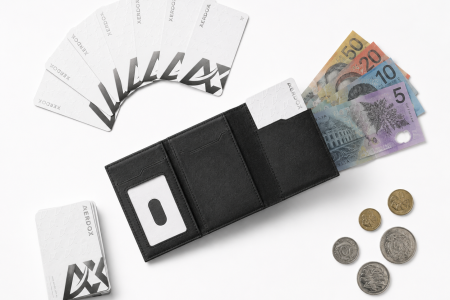
- Cash day: a wallet designed for notes, with coins only in a suitable closed compartment or pouch.
Returning each loadout to a consistent place reduces forgotten cards. Do not move one card between products every day without a routine; that is how essential items get left behind.
Check phone and case compatibility
A phone wallet can only be convenient if attachment is reliable. Verify the exact phone model, compatible case and intended card load. Thick cases, metal mounting plates and ring stands may interfere. Our AeroSnap guide and dedicated compatibility article explain the checks.
Do not test retention by shaking or dropping the phone. Use ordinary handling over a soft surface, then place it into and remove it from the pocket you use most.
Capacity and card access
A phone wallet asks you to make strong choices because space is limited. That can be beneficial: expired and occasional cards cannot accumulate. A separate wallet may hold more, but its access design should still match the routine. Put the transit or primary payment card in the fastest position and backups deeper.
If you find that a phone wallet is always overfilled, the format does not match your needs. Move to a cardholder or bi-fold rather than stretching the sleeve. Our card organisation guide helps establish the real load.
Privacy and security considerations
Phone wallets can make a visible bundle, while separate wallets can remain in another pocket or bag. Consider what is displayed when the phone is placed on a table. Keep card numbers covered and use only storage that retains cards appropriately.
RFID blocking is not an automatic property of a phone wallet. If physical card shielding is important, choose a product that explicitly identifies the protected compartment, such as the RFID-blocking aluminium core described for the Aerdox Astra Bi-Fold Cardholder.
Decision checklist
- Count the physical cards required in a normal week.
- Decide whether notes or visible ID are necessary.
- Confirm phone and case compatibility.
- Choose whether payment backup should be separate from the phone.
- Create a consistent place for each loadout at home.
- Review the setup after seven real days.
The best daily system is not the one with the fewest objects at any cost. It is the one you can use, check and recover predictably.
Editorial note: Product specifications, availability and compatibility can change. Confirm the current details on the linked Aerdox product page before purchase.
Frequently asked questions
Can a phone wallet replace a normal wallet?
Yes for people who carry a few cards and no regular cash. Others may use it only for light days.
Is it risky to keep cards with my phone?
The main practical trade-off is losing both together. Card technology varies, so follow the issuer and wallet maker’s storage guidance.
What happens if my phone battery dies?
A physical card in the attached wallet can still be used normally if it is available and accepted. Keep a suitable backup plan for your circumstances.
Which setup is better for travel?
A separate wallet and physically separate backup usually provide more resilience. Store passports and travel documents in a dedicated secure place.
Can I switch between both systems?
Yes. Use consistent light-day and full-day loadouts so essential cards do not get forgotten during the switch.
 by
by