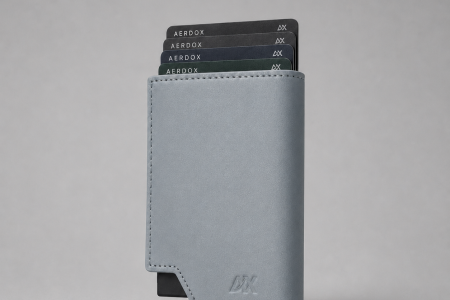
Quick answer A tracker setup works best when it protects the items you misplace most often: keys, wallet, bag or travel pouch. Put the tracker on the item that disappears, keep your wallet in one consistent place, and build a leaving-home routine around phone, wallet, keys and bag.
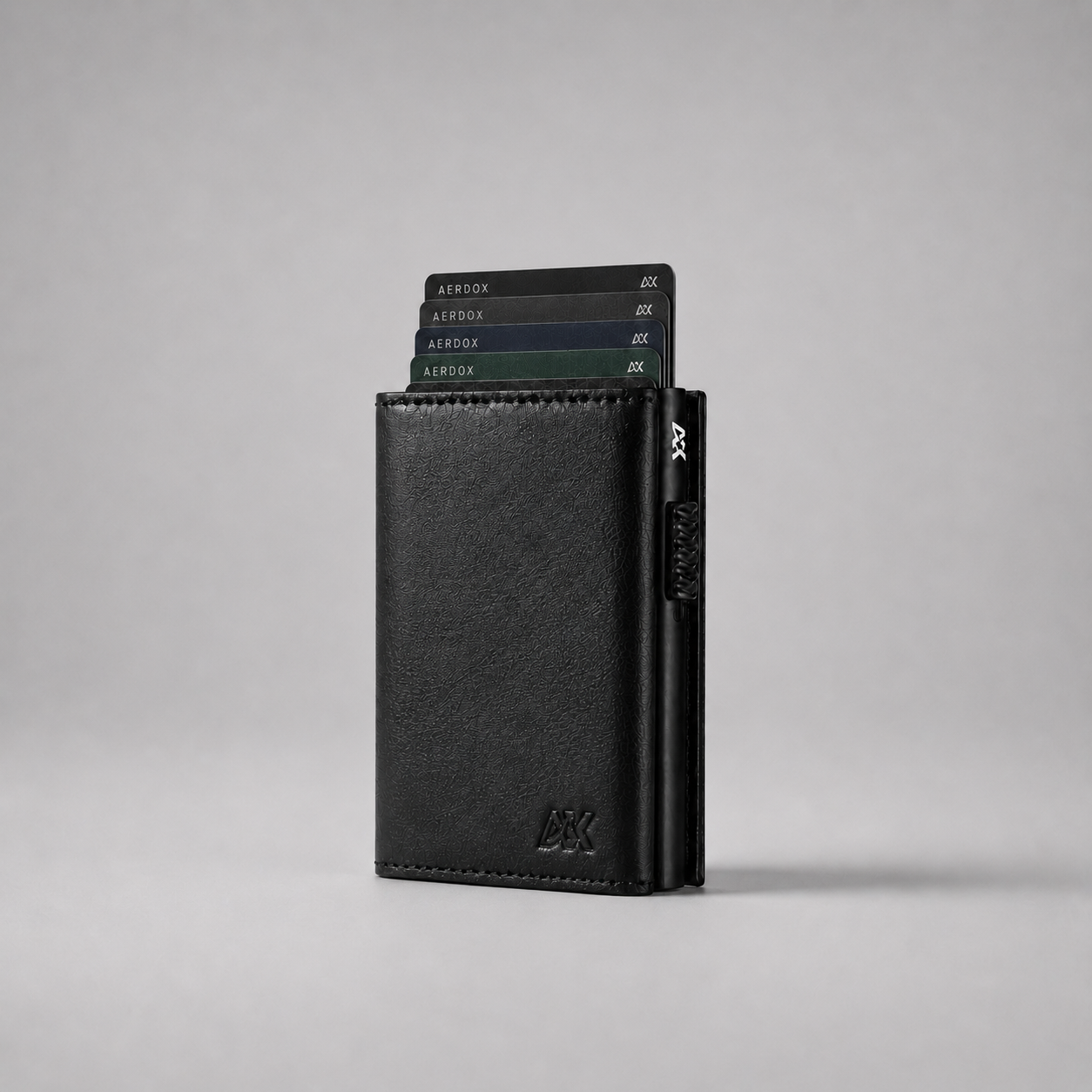
A wallet tracker is useful, but the real fix is a system. If keys, wallet and cards move randomly between pockets, tables and bags, a tracker helps find them after the problem happens. A simple carry routine helps prevent the problem.
This guide explains how to pair an Aerdox wallet setup with a tracker keyring or AirTag-style accessory for Melbourne homes, offices, gyms, cafes and travel days.
Track the item you lose most
If you usually lose keys, put the tracker on the keyring. If you lose bags, attach it to the bag. If your wallet is the issue, choose a wallet setup or accessory approach that keeps tracking practical without making the wallet bulky.
The goal is not to track everything. The goal is to protect the weak point in your routine. For many people, keys are the best tracker location because keys and wallet often live together near the door.
Build a home base
Set one tray, drawer or shelf as the home base for wallet, keys and everyday carry. Put items there every time you come home. A tracker can help find misplaced essentials, but a home base reduces how often they go missing.
The best tray is visible and close to the door, but not in a public window or unsafe location. It should be easy enough that you use it when tired, late or carrying groceries.
Use a leaving-home check
Before leaving, run the same check every time: phone, wallet, keys, bag. If you travel often, add passport-style documents and charger. This small habit is more reliable than trying to remember each item separately.
Keep your Aerdox wallet loaded with only the essentials so the check is quick. A messy wallet makes it harder to know whether the right cards are with you.
Tracker limits to understand
Bluetooth trackers and AirTag-style accessories depend on device networks, battery, range and settings. They are helpful, but they are not a guarantee. Do not use a tracker as an excuse to carry sensitive cards loosely or leave bags unattended.
Check battery status and attachment points regularly. A tracker that has a dead battery or weak keyring loop will not help when the item is actually missing.
Wallet plus keyring setup
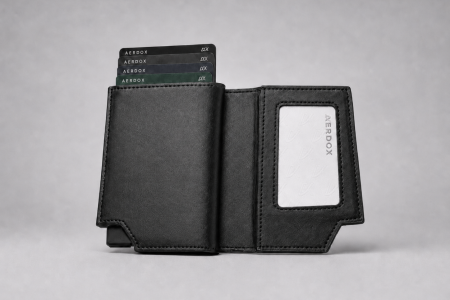
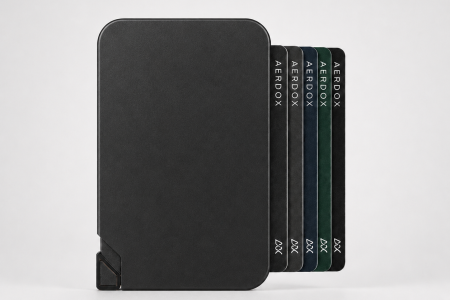
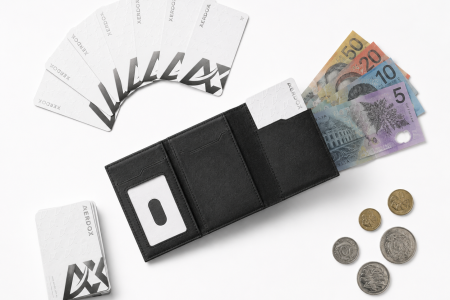
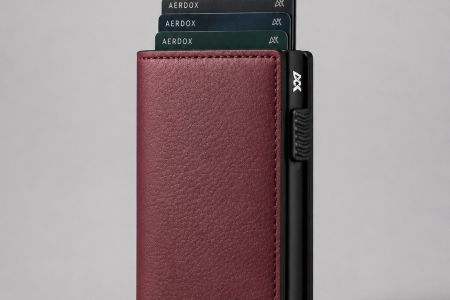
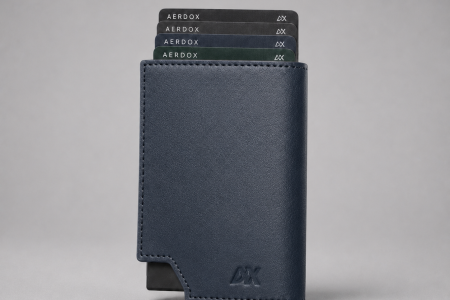
A practical setup is an Aerdox wallet for cards and cash, plus a tracker keyring for keys. The two items live together at home and separate when needed. This avoids stuffing a tracker into a wallet that was not designed for it.
If you carry a bag every day, consider tracking the bag instead. The right setup depends on where your wallet actually gets misplaced.
Travel and office use
At work, use one drawer or desk zone for wallet and keys. At cafes, put the wallet back in the same pocket or bag section immediately after paying. At hotels, place wallet, keys and documents in one safe location each night.
A tracker gives you recovery options, but routines create prevention. Combined with an organised Aerdox wallet, it makes everyday carry feel calmer.
How this fits a real Melbourne day
Think about leaving home quickly and needing to know that phone, wallet, keys and bag are all accounted for. That is where a wallet proves whether it is useful. A product can photograph well and still fail if it is hard to open, too thick when loaded or too awkward to return to the same pocket every time.
For a Melbourne-based business like Aerdox, the useful benchmark is local routine: tap-and-go payments, busy public transport, compact bags, office clothing, weekend cafes and the occasional travel day. A good AirTag wallet setup should support that routine without asking you to change everything about how you already move.
Common mistake to avoid
The common mistake is adding a tracker but still leaving wallet and keys in random places around the house, car and office. Wallet buying often starts with a search term such as AirTag wallet setup or tracker keyring, but the better starting point is your actual carry on a normal Tuesday.
Put every card, note, coin and receipt you currently carry on a table. Remove anything expired, duplicated or rarely used. The remaining stack tells you the real wallet size you need. This simple check prevents most bad purchases because it turns a style decision into a practical fit decision.
What to check on an Aerdox product page
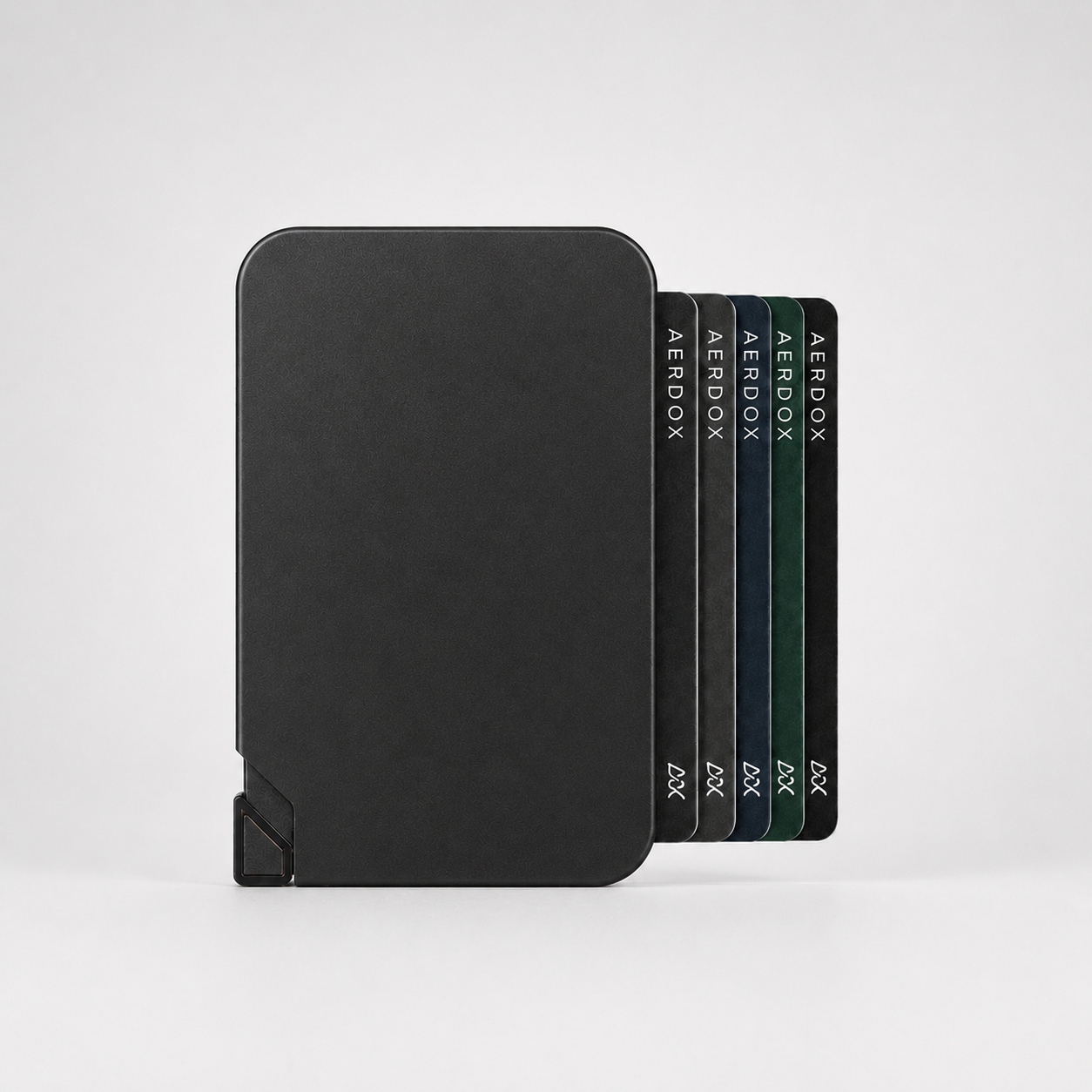
Once you know the format, compare current Aerdox product details such as capacity, material, colour, dimensions, card access and any listed protection features. Relevant options for this topic include Aerdox AirTag, Aerdox Astra Bi-Fold Cardholder, Aerdox MagSafe wallet, depending on whether you want minimum size, more organisation or a phone-first setup.
Product pages can change as colours, stock and specifications change, so check the live details before buying. The article should help you narrow the category, but the final decision should come from the current product information and the carry you know you will maintain.
A simple setup to try this week
Try this setup for seven days: entryway tray, tracker keyring, organised wallet and one repeated leaving-home check. Do not add extra cards unless you genuinely need them during the week. At the end of the trial, notice what you reached for often, what stayed untouched and what made the wallet feel slower.
That trial is useful because it separates imagined needs from real needs. If you never reached for a card, it does not need a prime wallet slot. If you kept missing cash or an ID window, choose a wallet with more structure. A better wallet decision usually comes from observing your own habits.
How to judge the wallet after one week
After a week, judge the wallet by friction rather than appearance alone. Did it fit the pocket or bag you used most? Could you reach the right card without looking for too long? Did it stay comfortable when sitting, driving or walking between stops?
Also check what the wallet encouraged you to do. A strong everyday wallet makes good habits easier: fewer receipts, fewer dead cards, cleaner access and a consistent home for essentials. If the wallet forced workarounds from day one, the format is probably wrong.
Why Aerdox is a natural link in the buying journey
Aerdox does not need to be forced into the topic because these are the exact problems a wallet range should solve: card access, pocket comfort, travel storage, protection, gifting, tracking and durability. The useful link is from the problem to the matching product type.
That is also why broad wallet education can still connect clearly to Aerdox. A general guide helps a shopper understand the decision; the product links then give them a next step when they are ready to compare real options from a Melbourne-based Australian business.
If you are choosing today, keep the process simple: identify the problem, pick the wallet format, compare the current Aerdox product details, then remove anything from your carry that does not support the decision. A cleaner wallet setup usually comes from one good choice and one good habit.
Where to go next
A clear wallet system makes comparison easier because one wallet question usually leads to another. Someone choosing a slim wallet may also need to understand RFID protection, card organisation, travel carry or how to care for the wallet after buying.
That is why each Aerdox guide links to related articles and product pages instead of treating one post as the whole answer. Wallet choice crosses several questions: size, RFID protection, card access, travel, care, gifting and tracking. Internal links help shoppers move through those questions in a logical order.
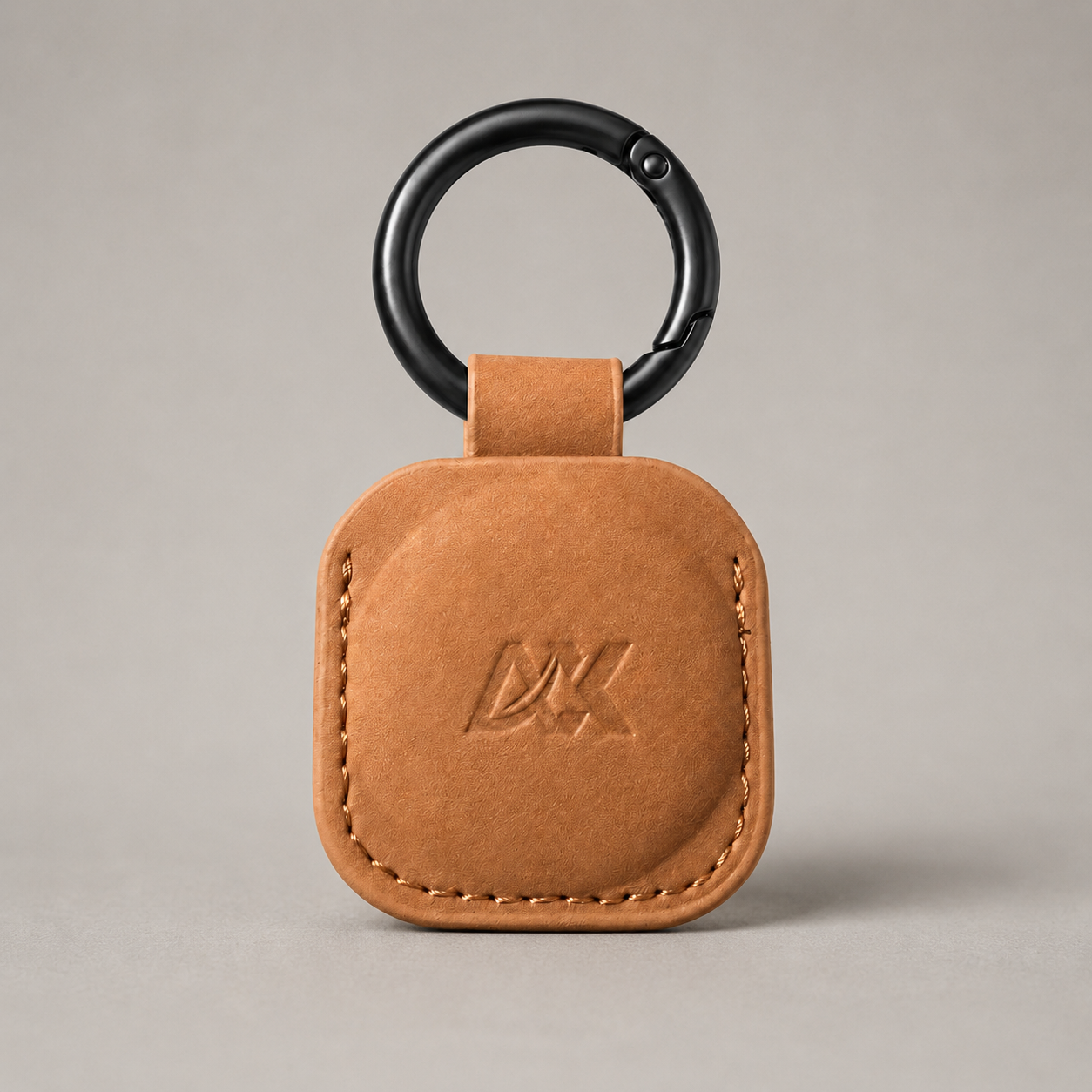
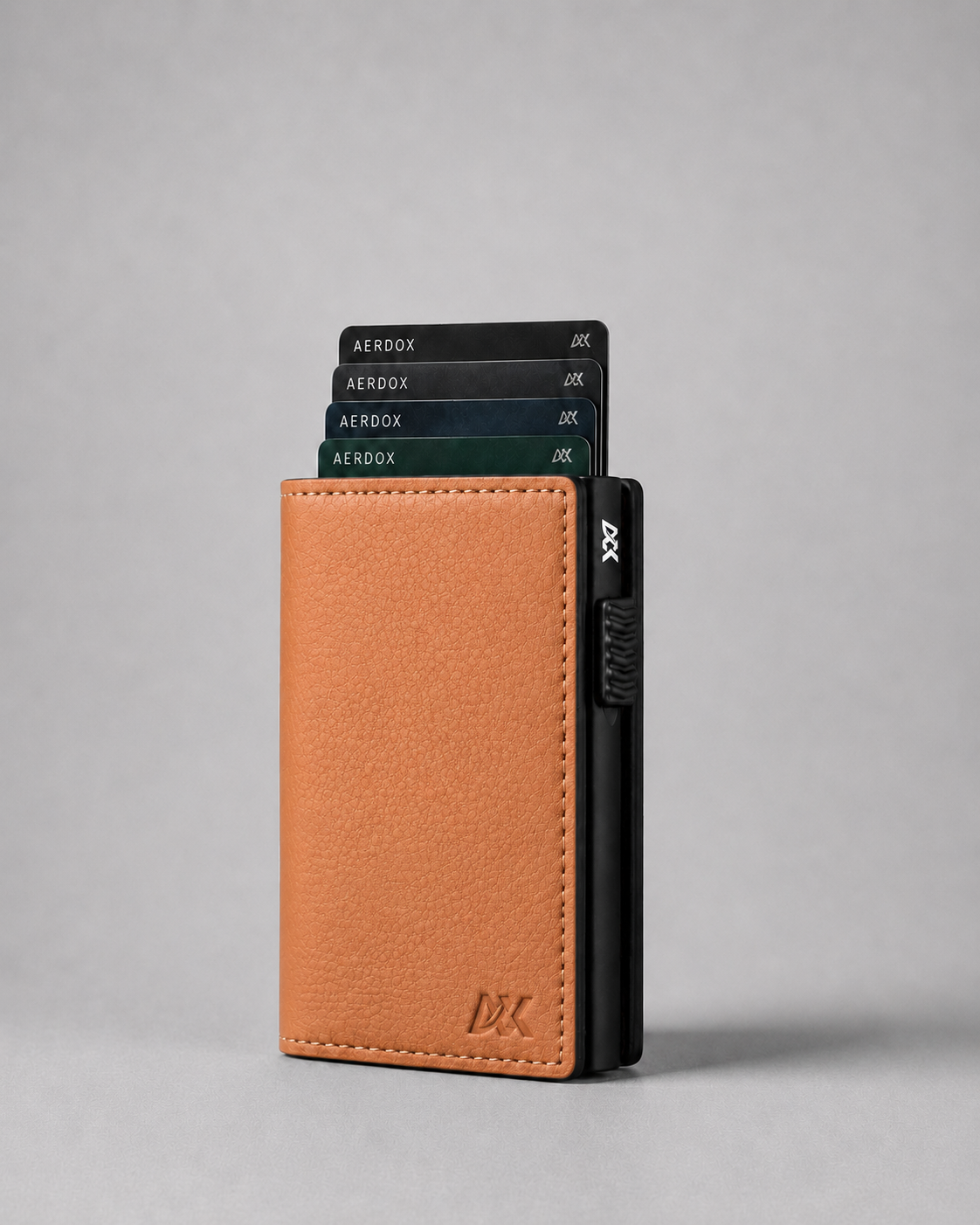
Aerdox products to compare
Use the article above to decide the format first, then compare the current product details, capacity and colour options on Aerdox before choosing.
Source and practical limitation
Apple explains that AirTag and the Find My network can help locate personal items. Precision and availability depend on the iPhone model, settings and environmental conditions, so an AirTag is a recovery aid—not a guarantee against loss or theft. Read Apple’s current AirTag guidance.
Frequently asked questions
Should I track my wallet or keys?
Track the item you lose most often. Many people start with keys because keys and wallet usually live together near the door.
Can a tracker stop me losing my wallet?
It can help you find it, but the best prevention is a consistent home base and leaving-home check.
Where should I keep wallet and keys at home?
Use one tray, drawer or shelf near your exit point, but keep it in a safe private location.
Do trackers need maintenance?
Yes. Check battery status, attachment points and app settings so the tracker works when needed.
What wallet setup works with a tracker?
Use an organised wallet for cards and cash, then attach the tracker to keys, bag or a compatible accessory depending on what you misplace.
 by
by