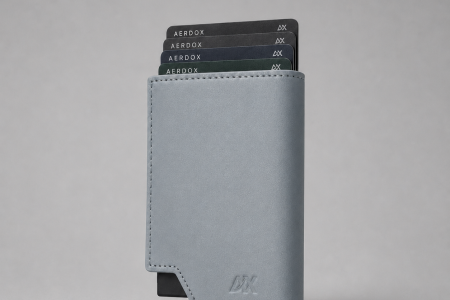
A practical student wallet needs campus ID, transport access, one primary payment method and a backup. Keep course-specific cards only when required and remove receipts weekly. A compact cardholder usually works for campus routines; a bi-fold is better when you carry cash, work ID or more credentials.
Start with the campus essentials
| Item | Carry when | Best position |
|---|---|---|
| Student ID | Required for entry, library, exams or discounts | Visible window or quick sleeve if policy permits |
| Transport card/payment | Needed for the commute | Fastest approved access position |
| Primary bank card | Daily payment and emergencies | Tiered stack or secure slot |
| Backup payment | Long campus days or travel | Separate from the primary where practical |
| Placement or lab access | Only on scheduled days | Temporary position with an exit reminder |
Choose a cardholder for card-led days
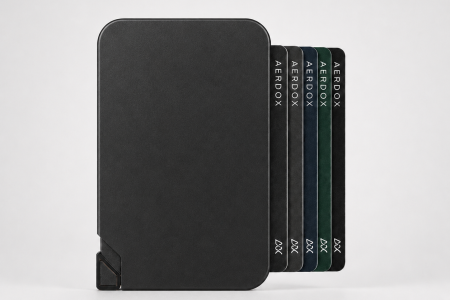
The Aerdox Glide Cardholder combines an aluminium tiered ejector with an exterior sleeve and thumb window. It suits a student who mainly carries cards and wants fast access to a campus or transit credential. Confirm the credential can be stored beside other cards and remove it to tap if required.
A small cardholder also makes clutter visible. There is little room for old cafe receipts, expired gift cards or every membership card. That constraint is useful when it follows a deliberate setup rather than an unrealistic minimum.
Use a bi-fold when study overlaps with work
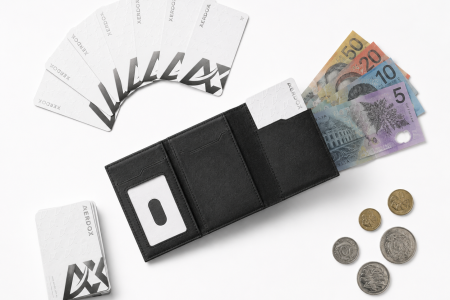
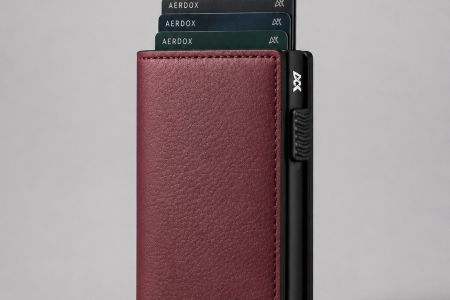
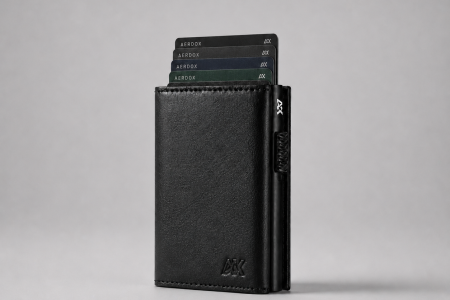
Many students also carry a workplace pass, driver licence or cash. The Aerdox Vector provides a transparent ID slot and quick-access card core in a bi-fold format. The Aerdox Astra is a compact midpoint with a folding wrap and RFID-blocking aluminium chamber.
Do not place a tap-required campus card inside a shielded chamber if you expect it to work through the wallet. RFID blocking is intended to reduce contactless communication.
Protect the payment backup
A phone may be the primary payment and ticket device, but battery failure happens. One physical backup can prevent a small problem from ending the day. For long travel or placements, separating the backup from the phone can reduce the impact of one lost item.
Enable banking notifications, use a strong phone passcode and never store PINs or passwords in the wallet. Know how to lock a card through the bank’s official app or phone number.
Handle student discounts without card clutter
Use official digital student or membership credentials where accepted. Do not rely on screenshots if the provider requires a live app or physical card. Store occasional discount cards securely at home and add them for the specific trip.
Review cards at the end of each semester. Course access, placements and memberships change, and old credentials should not occupy daily space indefinitely.
Keep keys easy to find
Student housing, bike locks, lockers and vehicles can create a large key set. Carry only current keys and keep them away from laptop and phone surfaces. An Aerdox AirTag Keyring can attach an Apple AirTag to your own keys or bag. Follow Apple’s safety guidance and university or workplace policies; never use a tracker on another person’s belongings without permission.
Create two loadouts
- Standard class day: student ID, transport, payment, phone and keys.
- Placement or lab day: add only the required access, safety or work credential.
- Exam day: follow the institution’s allowed-item rules and bring approved ID.
- Social or event day: consider a phone wallet for a few cards if compatibility and backup are addressed.
Return temporary cards after the event. A consistent home location prevents a placement pass from being forgotten on the next scheduled day.
Budget-friendly buying rule
Do not buy on maximum capacity or a feature you do not need. List the daily cards, decide the required access pattern and compare the current product price, materials, returns and care information. A wallet that fits the actual routine is better value than a cheaper item replaced because it was the wrong format.
Read the card organisation guide before changing products; you may discover that the current wallet only needs a reset.
Weekly student reset
- Remove cafe, travel and printing receipts.
- Check the next week’s classes, labs and shifts.
- Return temporary access cards to their secure place.
- Inspect keys, wallet slots and charger cable.
- Charge devices and confirm the transport plan.
A good student carry is light enough for a full day and reliable enough for an unexpected timetable change.
Reliability matters.
Prepare for placements and practical classes
Health, construction, hospitality and trade placements may require specific identification, licences, safety cards or employer credentials. Use the course and host organisation’s current checklist. Keep these items in an approved holder and remove them from daily carry after the placement if they contain sensitive information or are not needed on campus.
Use lost-property channels quickly
If a wallet or student ID is missing, lock payment cards through official banking channels, report the campus credential to security and check the institution’s lost-property process. Change access credentials when instructed. An AirTag may help locate your own bag or keys, but it does not replace formal reporting or personal safety.
Editorial note: Product specifications, availability and compatibility can change. Confirm the current details on the linked Aerdox product page before purchase.
Frequently asked questions
What cards should a university student carry?
Required student ID, transport or access, primary payment and a sensible backup. Course-specific needs vary.
Is a cardholder enough for campus?
Yes for a card-led routine. Choose a bi-fold if you regularly need cash, visible ID or more separate credentials.
Can I keep my student card in an RFID-blocking wallet?
You can store it there, but it may need to be removed to communicate with a reader. Follow campus guidance.
Should I carry my passport to university?
Only when specifically required. Store sensitive identity documents securely and follow the institution’s accepted-ID rules.
How do I stop losing my student ID?
Give it one consistent wallet position and return the wallet to the same secure place at home.

 by
by