A practical everyday carry starts with phone, wallet and keys, then adds only what the day requires. For most Australians, the core is a charged phone, essential payment and ID, home or vehicle keys, and any necessary work or health item. The goal is reliability, not filling every pocket with gear.
The core three
| Item | Minimum useful setup | Quick check |
|---|---|---|
| Phone | Charged, passcode protected, essential apps available | Battery, signal and device-finding enabled |
| Wallet | Primary payment, backup, required ID or access | No expired cards or old receipts |
| Keys | Only keys needed for the day | Secure ring, no damaged attachment |
Everything else should justify its weight and space. Sunglasses, medication, a reusable bag, umbrella or power bank can be essential on a particular day without becoming permanent pocket clutter.
Build the wallet around real requirements
Start with the last seven days. Keep cards you used, legally required ID and one realistic payment backup. Store occasional loyalty and membership cards securely at home or in an accepted digital form. Never keep PINs, passwords or account recovery codes in the wallet.
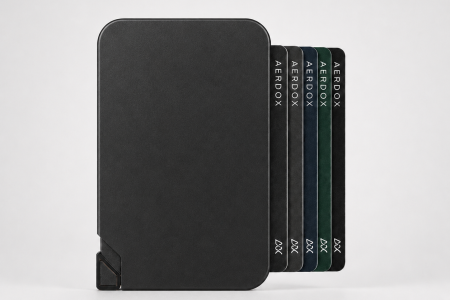
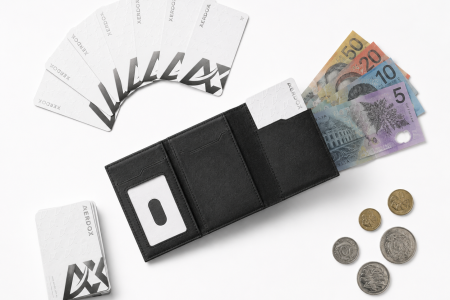
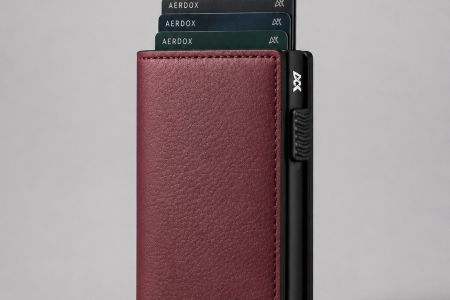
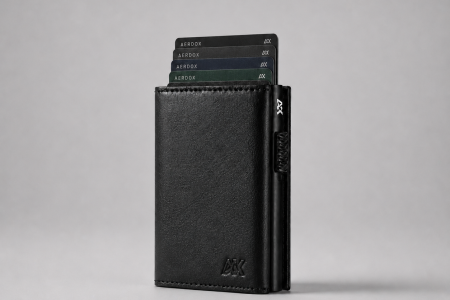
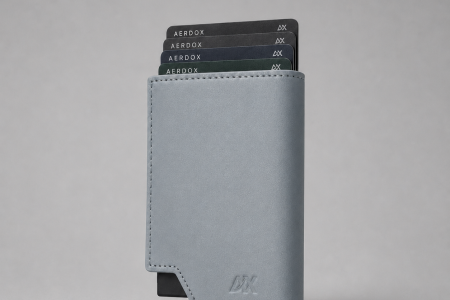
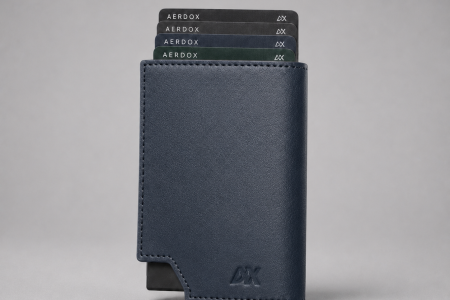
For card-focused carry, the Aerdox Glide Cardholder offers a tiered card ejector and exterior thumb-slide sleeve. For a folded cardholder with an RFID-blocking aluminium core, consider the Aerdox Astra. Workdays that require visible ID may suit the Aerdox Vector.
Make keys smaller and easier to recover
Remove keys for properties, locks or accessories you no longer use. Separate heavy or sharp tools that could damage a phone or wallet. Put the remaining set on a dependable closed ring and inspect it for spreading or corrosion.
An item tracker can help locate keys that have been misplaced. The Aerdox AirTag Keyring encloses an Apple AirTag in a leather-style sleeve and attaches with a spring-loaded carabiner. AirTag is a separate electronic product; follow Apple’s setup, privacy and safety instructions. Our AirTag keyring and wallet setup explains the routine.
Decide whether phone and wallet stay together
A phone-attached wallet reduces the core three to phone-and-cards plus keys. This works for errands and events when only a few cards are required. The Aerdox AeroSnap is the phone-first option in the range. Verify phone and case compatibility, and consider keeping a backup payment method separately on longer days.
A separate wallet creates another item to remember but divides the risk. If the phone is lost or out of battery, physical payment and ID may remain available. Choose the structure that matches your routine rather than copying an online pocket layout.
Add a day-specific layer
- Work: access pass, required ID, notebook or approved authentication token.
- Study: campus card, public-transport payment and charger if needed.
- Travel: documents, separate payment backup and medication in compliant storage.
- Weather: compact umbrella, sunscreen or water based on conditions.
- Health: prescribed medication and emergency information as advised by a professional.
Remove this layer when the day ends. Leaving every possible item in a bag permanently creates weight, hides expired supplies and makes the essentials harder to find.
Create a sensible backup layer
Backups should cover plausible failures without doubling the entire carry. Examples include a second payment method, a small charging cable, an emergency contact available offline or a spare house key stored securely with a trusted person. Do not place all backups beside the primary item; that defeats separation.
For travel, use official government, airline, bank and health guidance. An everyday-carry article cannot determine the documents, medicines or emergency arrangements required for a specific journey.
Use one departure sequence
- Touch or visually confirm phone.
- Confirm wallet and required cards.
- Confirm keys and tracker attachment.
- Add the day’s work, study, health or weather item.
- Check battery and transport plan.
Keep the core items in a consistent home location near, but not visible from, an exterior door. A fixed sequence is faster and more reliable than searching multiple rooms.
A weekly five-minute reset
Empty receipts, return occasional cards, charge the power bank, inspect cables and key attachments, and check upcoming appointments or travel. Clean wallet and phone surfaces according to their makers’ instructions. The reset prevents an intentionally light setup from becoming a collection of forgotten extras.
Read our clutter-free card guide if the wallet is the part that keeps expanding.
Adjust the checklist for Australian conditions
A Melbourne commute can move from cold rain to bright sun, while regional travel may involve longer gaps between shops, charging points and public transport. Check the forecast and route instead of making every weather item permanent. In summer, sunscreen and water may move into the day-specific layer; in winter, a compact umbrella may earn the space. Follow emergency-service advice during heat, fire, flood or severe weather.
Keep important information available offline
Phones fail, lose signal and run out of power. Keep a small offline record of an emergency contact and any information a health professional recommends carrying. Store it securely and avoid placing unnecessary sensitive information in an exposed wallet slot. For tickets and bookings, understand what the provider accepts when the app cannot load.
Editorial note: Product specifications, availability and compatibility can change. Confirm the current details on the linked Aerdox product page before purchase.
Frequently asked questions
What are the most important everyday-carry items?
For many people they are phone, required cards or ID, and keys. Health, work and travel needs can add genuine essentials.
How do I carry less?
Audit one real week, remove duplicates and pack day-specific items only when required. Do not remove necessary ID, medication or safety equipment.
Is a phone wallet enough?
It can be enough for a few cards on light days. A separate wallet is better for cash, more cards, visible ID or payment backup away from the phone.
Should I put an AirTag on my keys?
It can help locate your belongings when used with a secure holder and Apple’s safety guidance. Never use it to track a person without consent.
How often should I review my everyday carry?
Do a quick weekly reset and a deeper seasonal review as work, study, weather and travel routines change.
 by
by