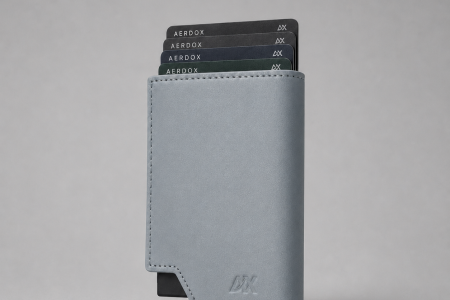
Store cards flat in their intended slots or chamber, keep notes smooth in a cash section, and treat receipts as temporary. Never force coins, keys, thick fobs or folded paper into a mechanical card holder. A wallet should close and operate naturally at its supported load.
Use the compartment for its intended purpose
| Item | Best storage | Avoid |
|---|---|---|
| Standard cards | Card slot or approved rigid chamber | Bent, cracked or dirty cards |
| Notes | Dedicated note section or maker-approved fold | Repeated tight folds and overstuffed bundles |
| Receipts | Temporary paper section, then filing system | Long-term accumulation beside cards |
| Coins | Dedicated closed coin area or separate pouch | Card mechanisms and open sleeves |
| Keys and tools | Separate keyring or organiser | Any wallet compartment |
Keep cards clean and flat
Inspect cards for cracked edges, lifting overlays or severe bends before placing them in a tight slot. Damaged cards can catch on sleeves and mechanisms. Remove loose grit from the empty wallet with a soft dry method approved for its finish. Do not spray cleaner into a card chamber.
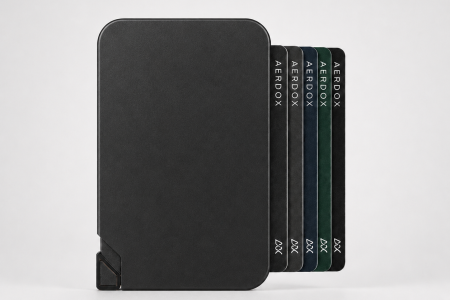
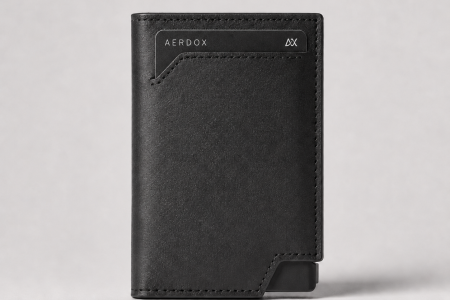
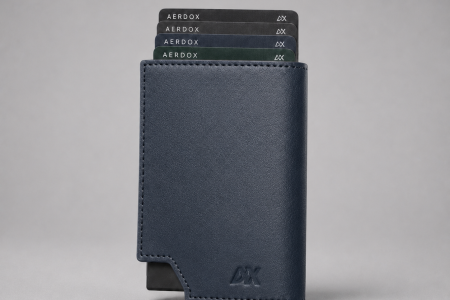
Rigid ejector mechanisms are designed for supported cards within a defined load. The aluminium chambers used in products such as the Aerdox Glide and Aerdox Astra should not receive coins, keys, paper stacks or unusually thick fobs. Check the current product instructions for capacity.
Arrange cards by frequency
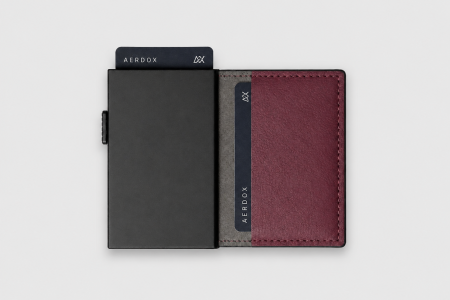
Put the most-used payment or transit card in the fastest intended position. In Glide, that may be the exterior sleeve with its thumb window. A tiered chamber lets several card edges appear at once. A backup payment card can sit deeper, while a visible ID belongs in a transparent slot only when the wallet provides one.
Do not keep PINs, passwords or recovery codes with cards. If the wallet is lost, those details would compound the problem.
Carry cash without creating a wedge
Smooth notes and carry a small useful mix. Where a full-length note section exists, align the edges rather than stuffing crumpled currency into one corner. If the product expects folded notes, use the recommended arrangement and avoid adding a new fold every time.
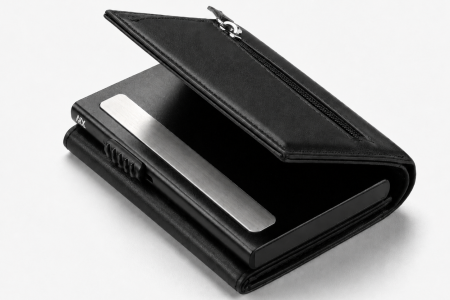
The Aerdox Vector provides a fuller bi-fold format, while the Aerdox Voyager is designed for three-panel organisation and fuller carry. Verify exact cash and coin storage on the live pages rather than assuming every folding wallet has the same compartments.
Give receipts an exit date
A receipt may need to survive until an expense claim, return period or tax record is handled. That does not mean it should stay in the wallet for months. Create one of four actions: file, photograph where appropriate, claim or discard safely.
- End of day: remove food and transport receipts that are no longer needed.
- End of week: process work and reimbursement receipts.
- After purchase: store warranty receipts with the product record.
- At tax time: follow current ATO and professional guidance for required records.
Thermal paper can fade and transfer marks. Keep it away from prolonged heat and do not assume a wallet is a compliant archive.
Keep coins separate unless the wallet supports them
Coins concentrate weight in one spot and can scratch cards or hardware. They can also jam a mechanical card chamber. Use a dedicated closed coin pocket only where provided, or a separate small pouch. Empty change regularly so the pouch does not become the next source of bulk.
Do not overfill soft sleeves
A flexible sleeve can stretch around extra cards, but repeated overfilling may reduce retention when the load returns to normal. Use the stated capacity. If the sleeve has become loose or the stitching is under strain, stop adding items and contact the seller for care or warranty advice.
A two-minute nightly reset
- Remove receipts and coins.
- Return any borrowed or temporary card.
- Check that primary cards are fully seated.
- Close the wallet naturally without squeezing.
- Store it in the same secure home position.
For deeper maintenance, follow the Aerdox wallet care guide and the instructions for your exact finish.
What to do after moisture or grit exposure
Empty the wallet, blot surface moisture with an appropriate soft cloth and let it dry naturally away from heaters. Do not force a damp mechanism. Remove visible grit gently; if contamination has entered moving parts, ask Aerdox for guidance rather than using oil or compressed air without approval.
A well-packed wallet is easier to care for because every item can be removed and returned deliberately. Organisation protects both access and materials.
Store the wallet properly at home
Choose a dry, secure place away from direct sun, heaters, food and drink. Do not leave a loaded wallet pressed under heavy objects or loose in a drawer with sharp tools. If it will not be used for a while, remove unnecessary cards and cash, clean it according to the maker’s guidance and let it rest in its natural closed shape.
Protect privacy during organisation
When sorting cards or photographing receipts, keep account numbers and personal details out of shared photos, cloud folders and household view. Shred or destroy sensitive paper using an appropriate method. Organisation should reduce exposure as well as bulk.
Editorial note: Product specifications, availability and compatibility can change. Confirm the current details on the linked Aerdox product page before purchase.
Frequently asked questions
Can I put receipts in a card slot?
It is better to use a paper section or remove them promptly. Folded paper can add grit and uneven pressure around cards.
How do I stop card slots stretching?
Stay within the intended capacity and do not insert thick fobs or multiple cards into a single-card slot unless permitted.
Can I oil a card-ejector mechanism?
Not unless the manufacturer specifically instructs you to. Household lubricants can attract dirt or damage finishes.
Should I keep cash folded?
Use the wallet’s intended note arrangement. A full note section is preferable when you carry cash regularly.
What should never go in a card chamber?
Coins, keys, paper stacks, warped cards and thick objects that the product does not explicitly support.
 by
by