To stop a wallet becoming bulky, remove expired cards and old receipts first, then track what you actually use for seven days. Keep required ID, weekly cards and one sensible payment backup. Store occasional items securely elsewhere and schedule a two-minute reset every Sunday.
Day 1: empty everything
Work on a private clean surface. Remove every card, note and receipt. Do not photograph or expose card numbers. Group items into payment, identity, access, health, loyalty, cash and paper. Wipe loose grit from the empty wallet using its approved care method.
Immediately remove expired cards and rubbish. Destroy sensitive expired cards according to the issuer’s guidance. Keep receipts that have a real tax, warranty or reimbursement purpose, but move them into the appropriate record system rather than returning them automatically.
Day 2: build the essential stack
| Keep today | Review later | Remove from daily carry |
|---|---|---|
| Required ID, primary payment, work access | Backup card, health and transit items | Expired cards and old receipts |
| Anything needed for today’s appointment | Loyalty and occasional membership | Duplicate and inactive cards |
Return only the clear essentials. Keep one realistic payment backup if appropriate. Never store a PIN, password or recovery code with the cards.
Day 3: notice every card you use
During the day, record which physical cards leave the wallet. This reveals the access order. A transit pass or work badge used repeatedly belongs in an exterior sleeve or ID window if the design provides one. A backup card can sit deeper.
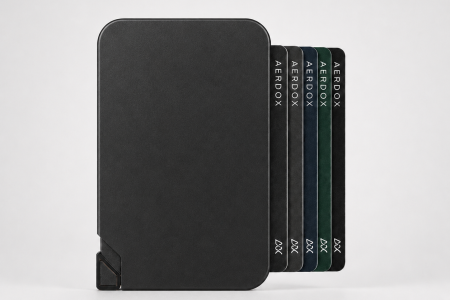
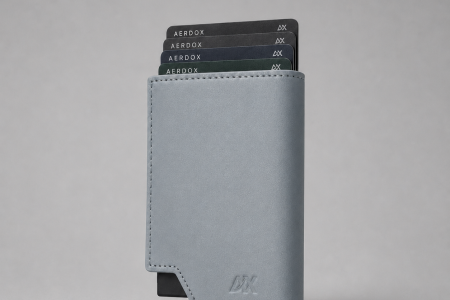
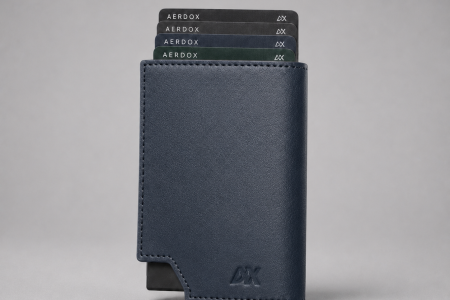
The Aerdox Glide Cardholder has an exterior thumb-slide sleeve and a tiered card ejector, making it suitable for a focused card set. Do not change products yet; first confirm that your routine really is card-focused.
Day 4: digitise selectively
Move a loyalty or membership card to an official, accepted digital version where doing so is secure and practical. Do not assume a screenshot is accepted. Keep physical ID or health cards when rules, providers or your circumstances require them.
Digital carry moves risk to the phone, so protect it with a strong passcode, updates and account security. Minimalism should not reduce resilience.
Day 5: fix receipts and cash
Create a receipt rule: file, photograph where appropriate, claim or discard. A wallet is temporary transport, not an archive. Smooth the small number of notes you need and remove excess change to a separate coin container or pouch.
Coins should never go into a card chamber. If a wallet lacks a dedicated closed coin area, carry them separately. Uneven hard objects can scratch surfaces, bend cards and create pressure points.
Day 6: choose the right format
Now compare the cleaned loadout with the wallet:
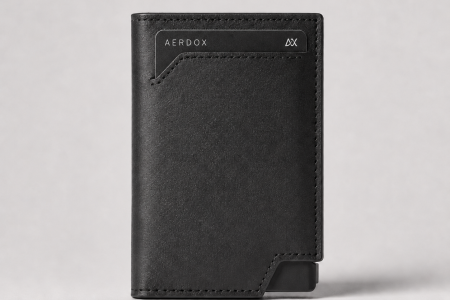
- A few essential cards: consider a compact cardholder such as Glide.
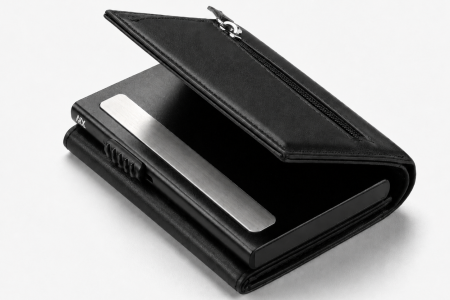
- Cards with a folding cover and RFID-blocking core: consider the Aerdox Astra.
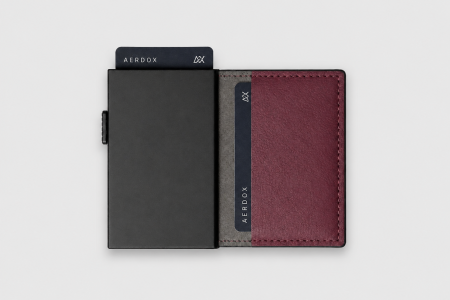
- Cards, notes and visible ID: consider the Aerdox Vector.
- Fuller organised carry: consider the Aerdox Voyager.
- A few cards beside a compatible phone: consider AeroSnap.
Verify the current product page for capacity and compartments. The correct wallet closes naturally and provides access without force.
Day 7: make the system repeatable
Place occasional cards in a secure labelled location. Add a recurring two-minute weekly reset: remove receipts, return temporary cards and check the next week’s appointments. Store the wallet in one consistent home position.
Read how to organise your cards for a broader system.
Why wallets become bulky again
The usual cause is decision delay. A receipt is kept “for now,” an appointment card remains after the visit, and a loyalty card returns after one use. Give every temporary item an exit date. When the event is over, file it or remove it.
Another cause is spare capacity. Empty slots feel available, but they are not instructions to add cards. Leave room so the wallet operates correctly and a temporary item can be carried without strain.
Signs you are overfilling
- The wallet no longer closes naturally.
- Cards are difficult to remove or the trigger feels inconsistent.
- Stitching or sleeves appear stretched.
- The profile has one thick uneven lump.
- You cannot name the purpose of every item.
Respond by reducing contents, not applying more force. If the wallet remains unsuitable after the audit, choose a format built for the real load.
Measure whether the reset worked
At the end of the week, compare the loaded wallet with Day 1. Count the removed cards and receipts, but also assess function: does the wallet close naturally, can you identify the primary card quickly, and is it more comfortable while seated? A smaller number is not success if required ID was left at home or payment backup was removed without a plan.
Prevent clutter after appointments and travel
Temporary items are the fastest route back to bulk. Add a calendar reminder for the day after a medical appointment, work visit or trip. Return the temporary card, process the receipt and remove foreign currency. This one trigger turns decluttering from an occasional project into a small closing step.
Keep the review private: card numbers, health details and account information should never appear in shared decluttering photos. Securely destroy sensitive paper when its retention period has ended.
Editorial note: Product specifications, availability and compatibility can change. Confirm the current details on the linked Aerdox product page before purchase.
Frequently asked questions
What should I remove first from a bulky wallet?
Expired cards, old receipts, duplicates and cards you never use. Keep required identification and a sensible payment backup.
Should I switch to a smaller wallet?
Only after the seven-day audit. A smaller product will not solve a habit of keeping unnecessary items.
How often should I clean out receipts?
At least weekly, and daily if receipts are needed for work or expense claims.
Can I keep loyalty cards digitally?
Often, but use an accepted official or trusted method and verify that the digital version works where you shop.
Why does my wallet feel bulky with few cards?
Folded paper, coins, embossed cards and uneven distribution can create more thickness than the count suggests.
 by
by